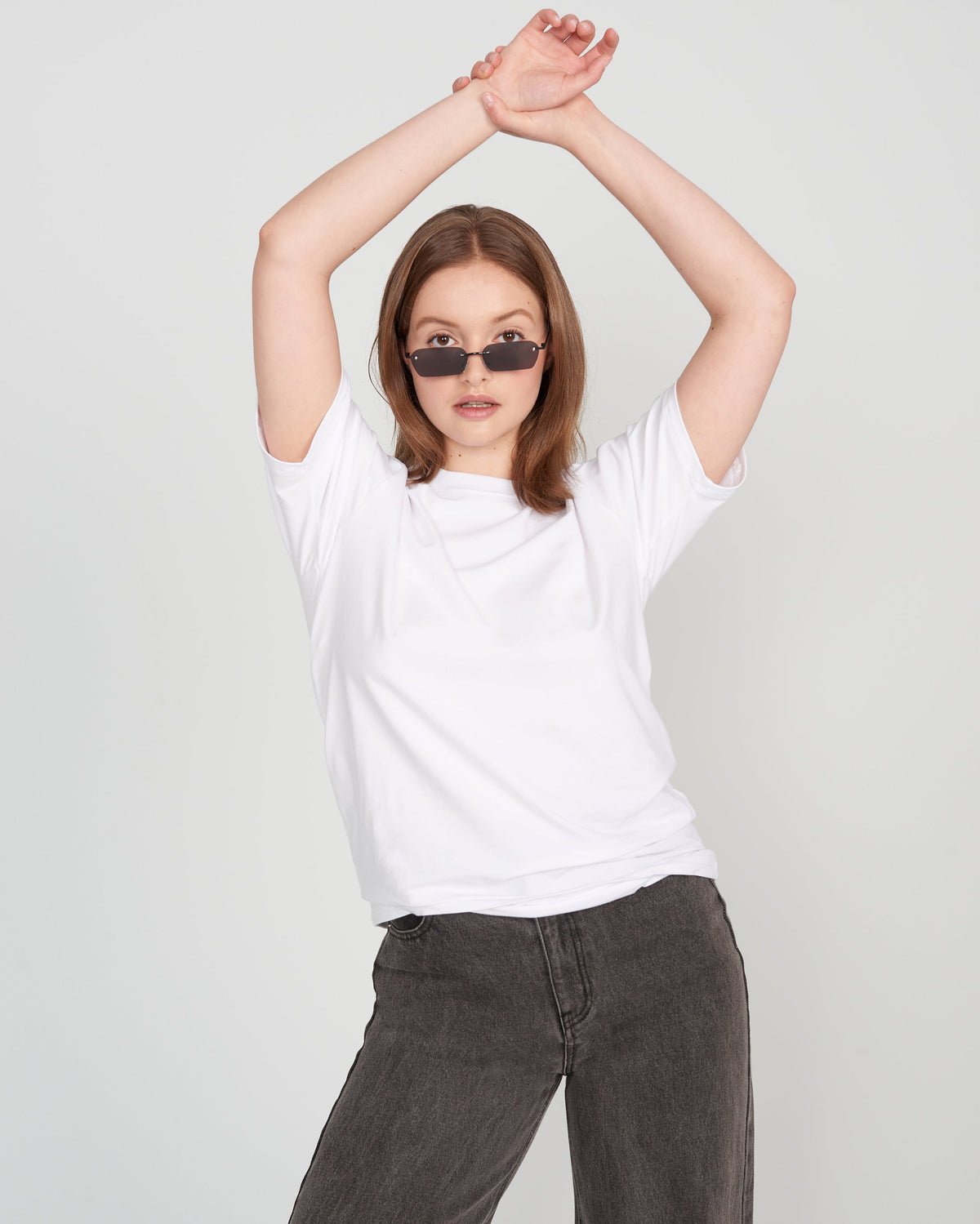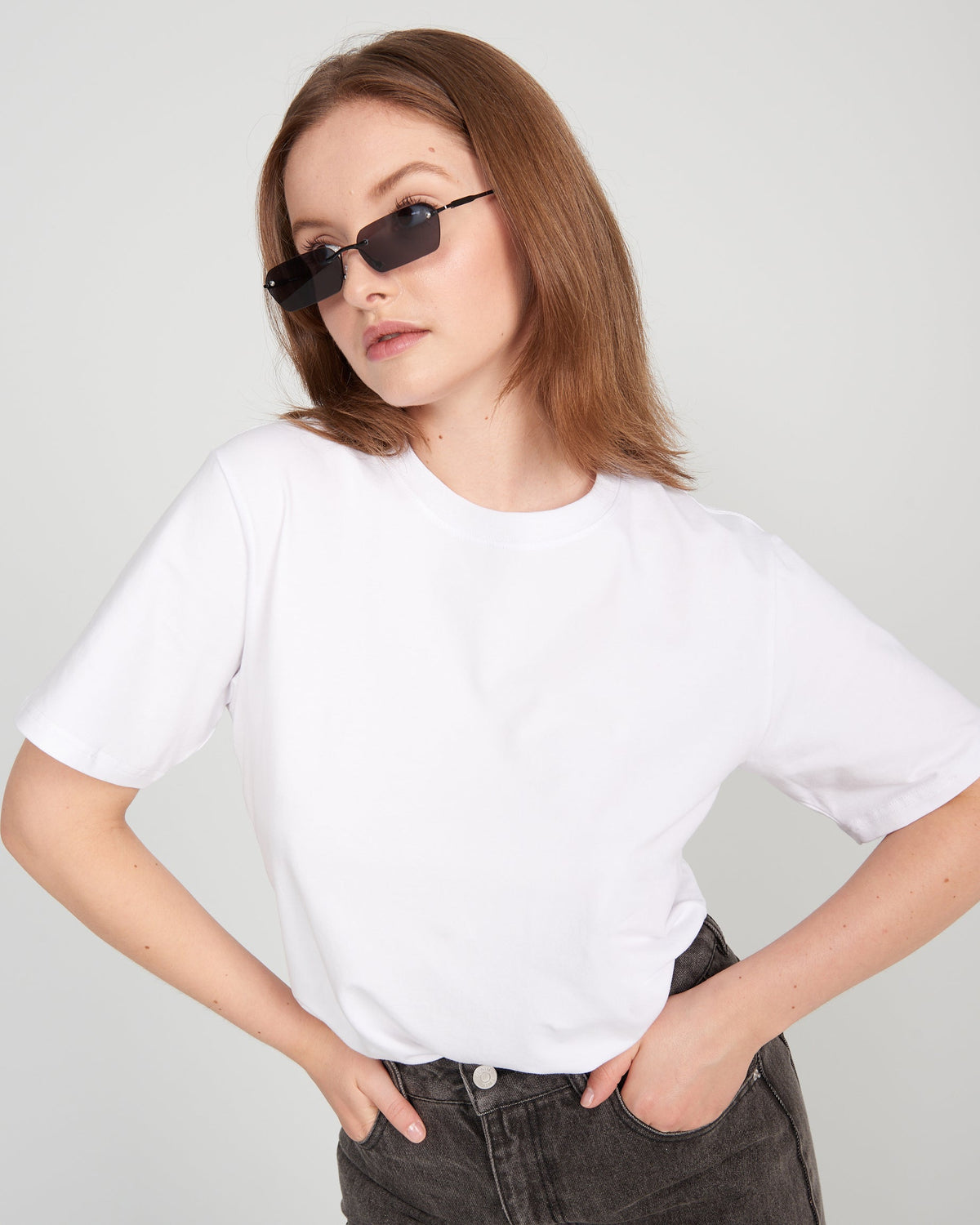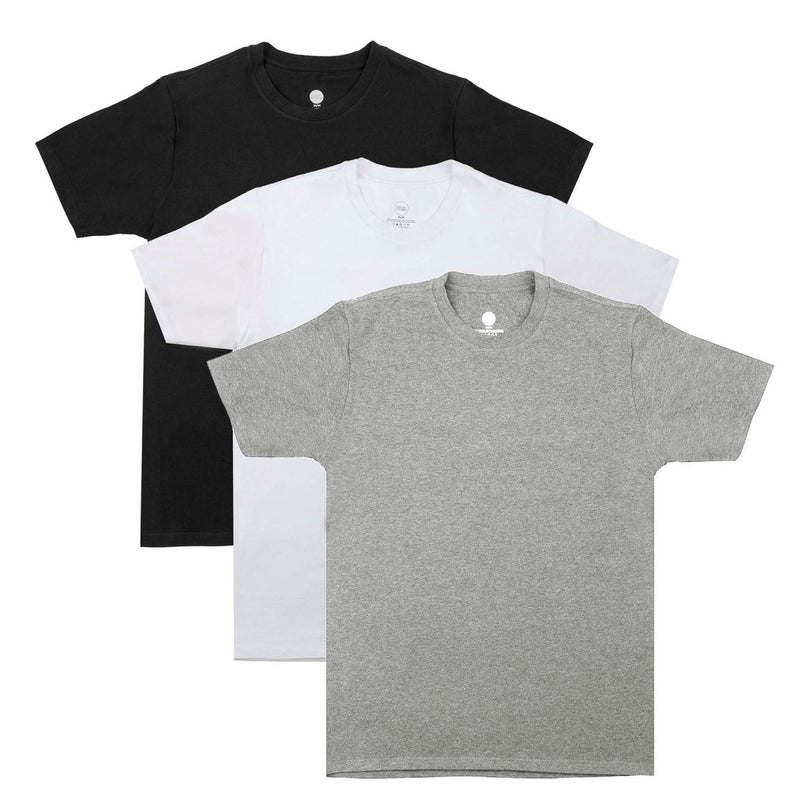
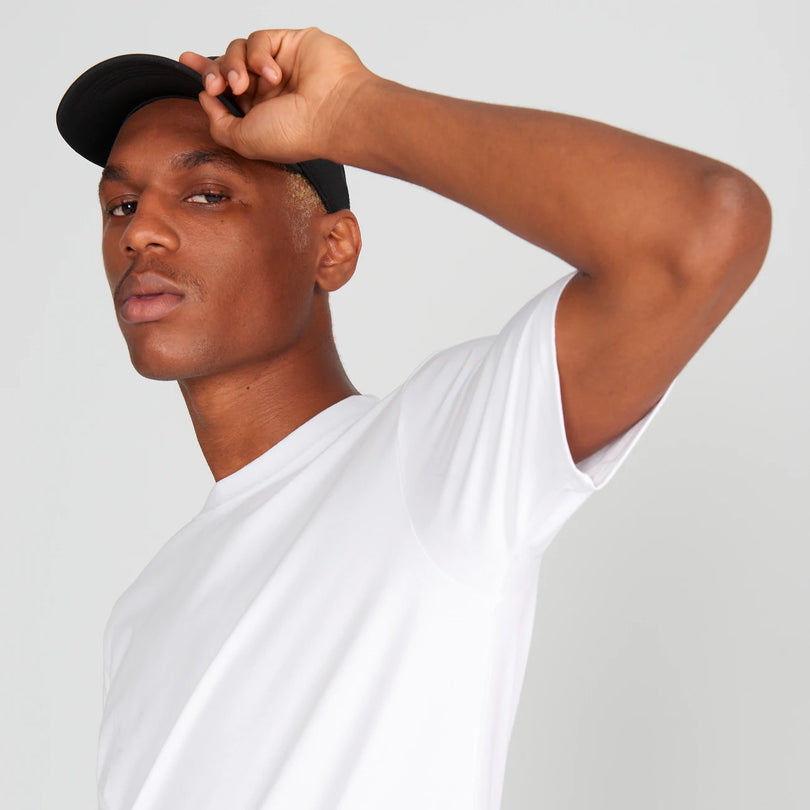
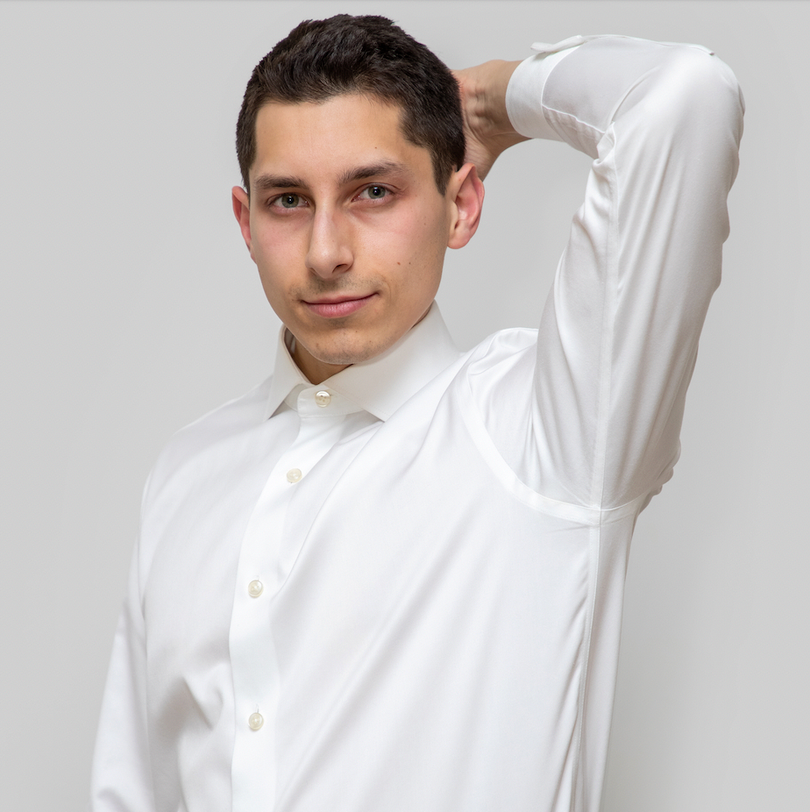
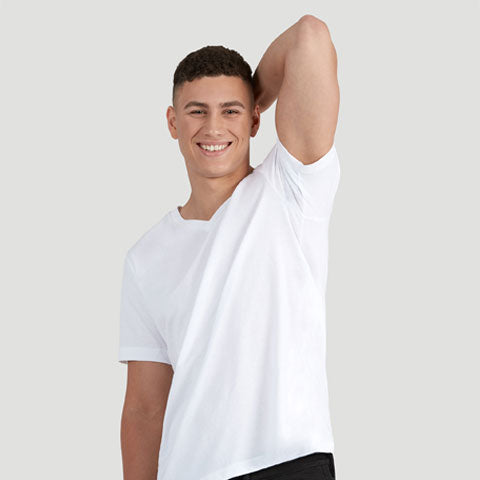
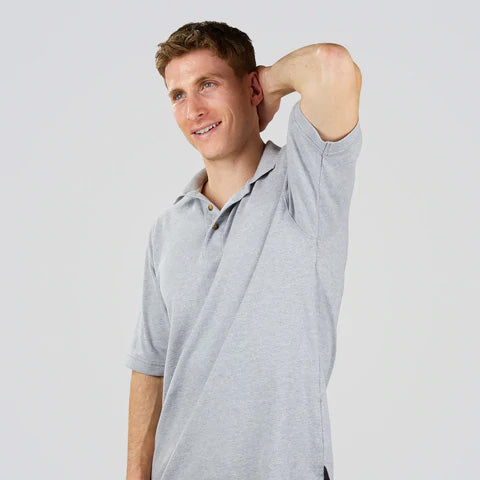
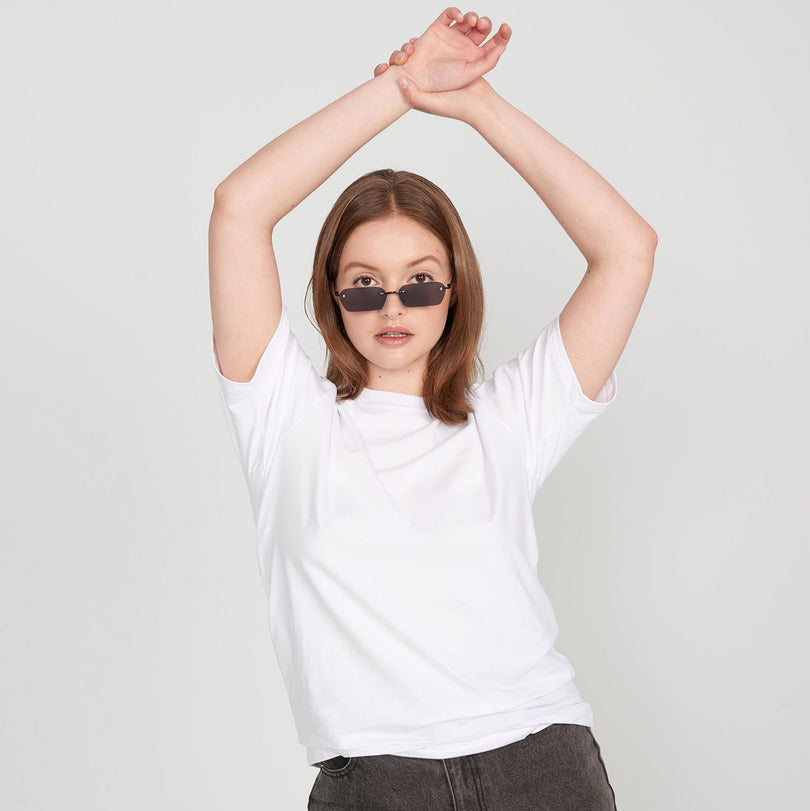
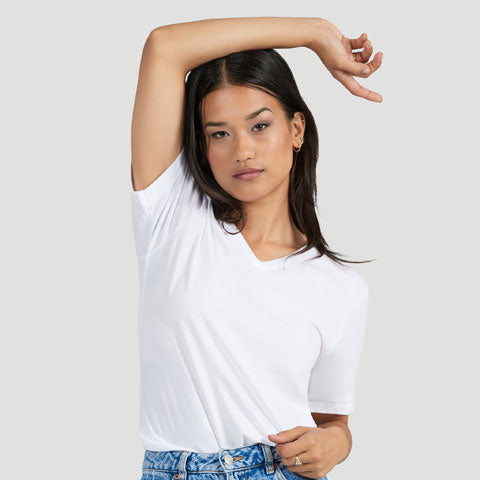

Yes, they do! But "sweat-proof" is a marketing term applied to at least three different garment technologies, and they don't all solve the same problem. If you've tried a moisture-wicking shirt expecting to stay stain-free and it still let you down halfway through the day, that's not a coincidence. You probably had the wrong kind.
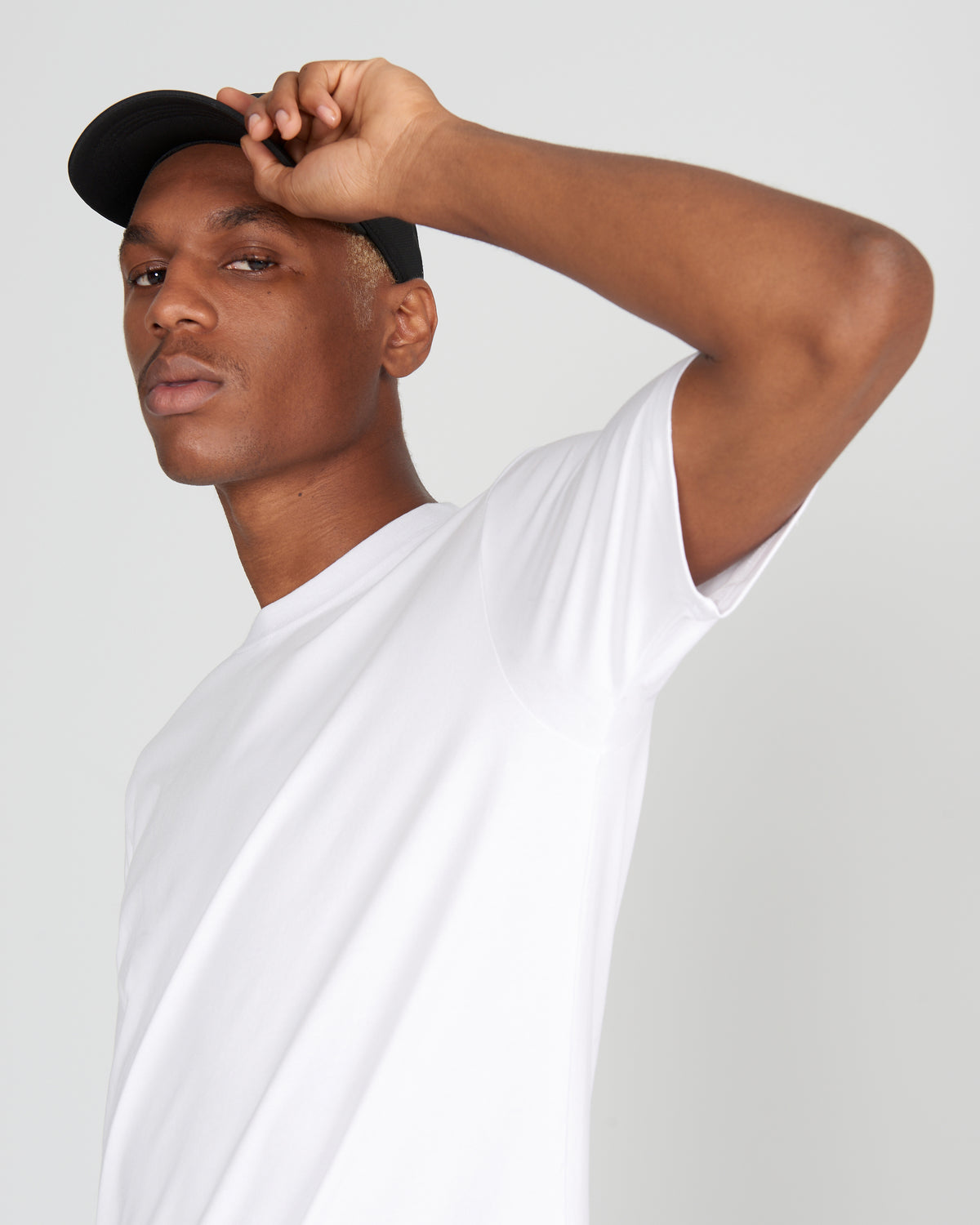
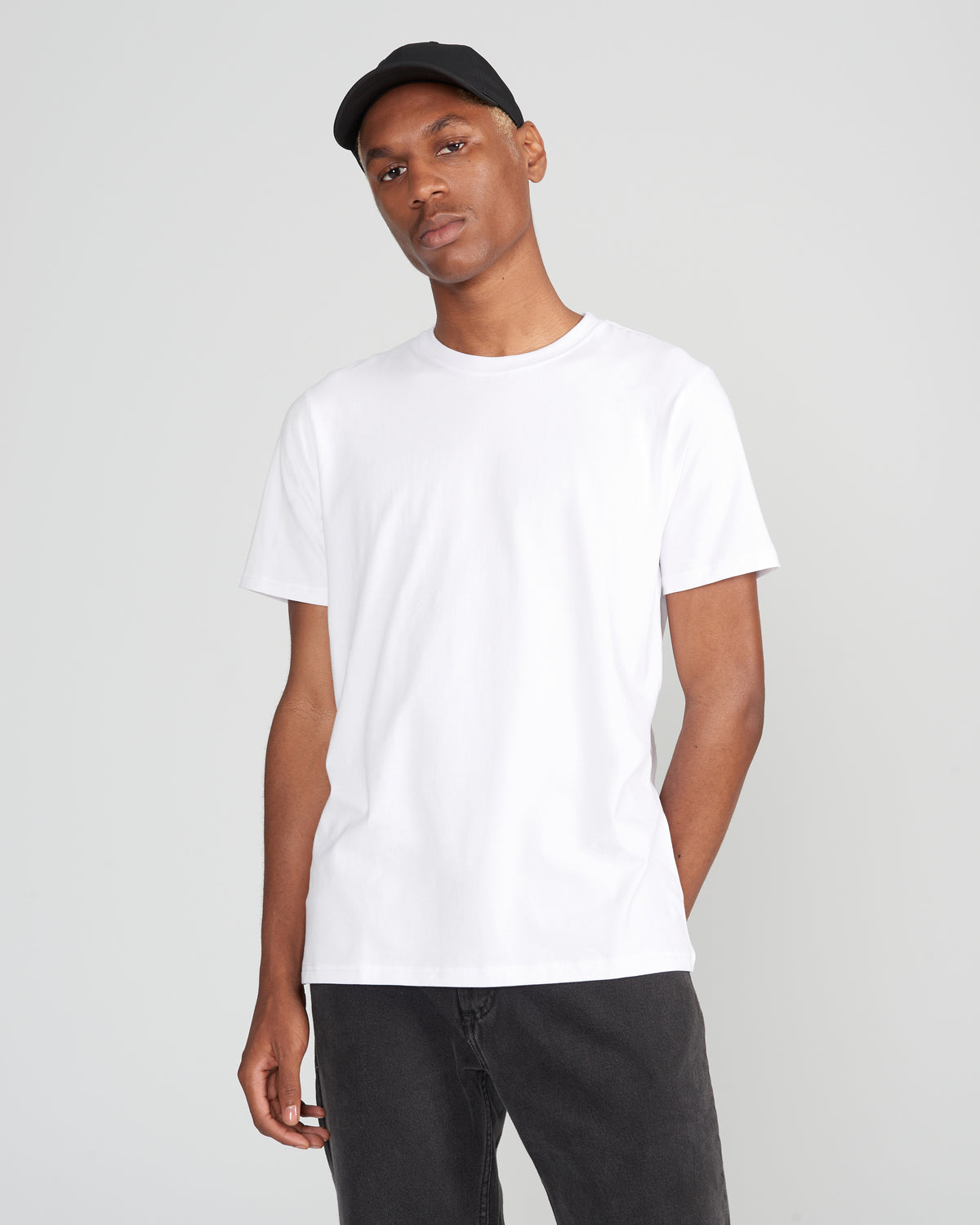
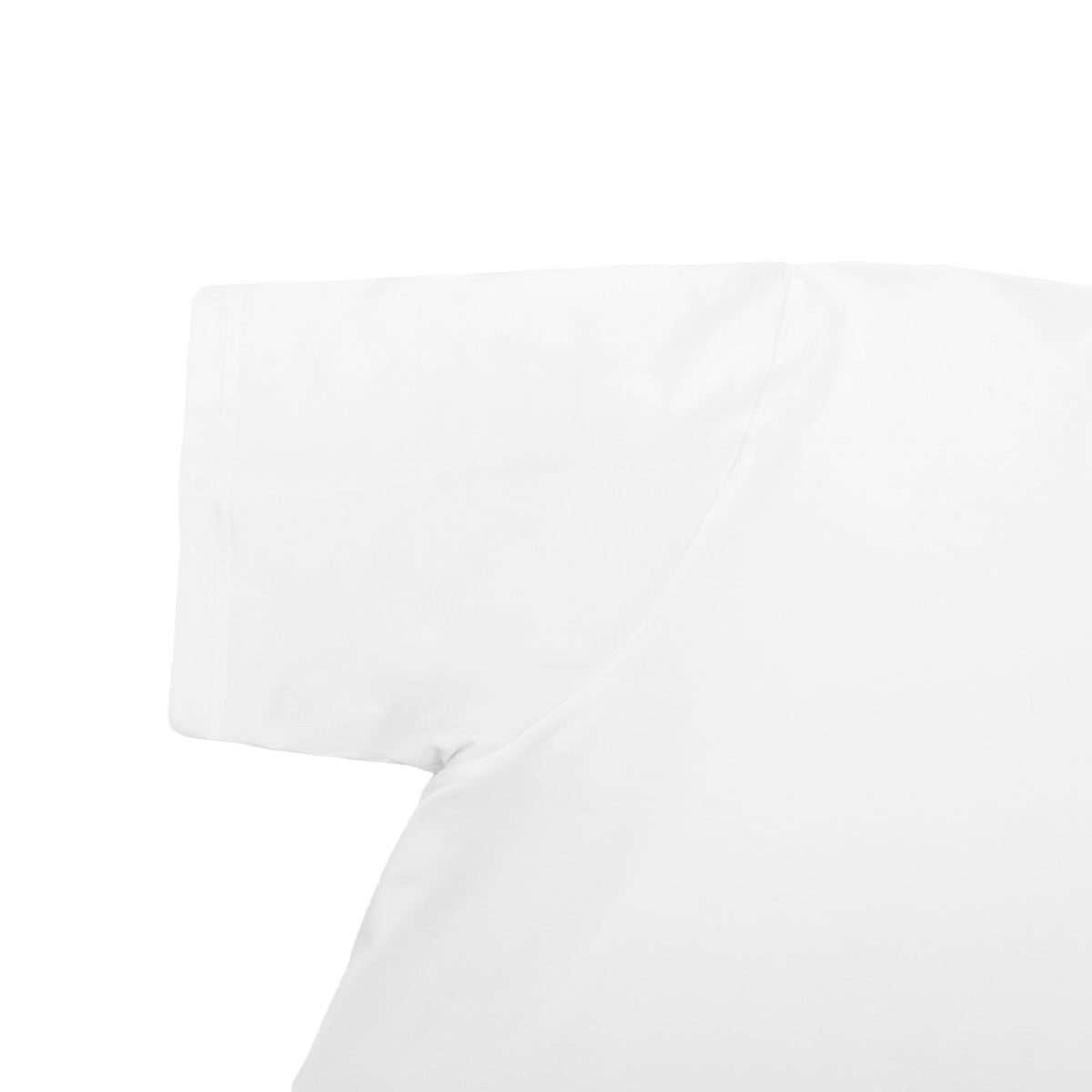
The shirts that actually stop visible stains from appearing use a physical barrier, not just fabric that dries quickly. At Social Citizen, that's the approach we built our entire line around: a hidden 3-layer pad system sewn inside each underarm. But before getting into how that works, here's what "sweat-proof" actually covers.
"Sweat-Proof" Can Mean Three Very Different Things
Most shirts labeled sweat-proof fall into one of three categories:
Moisture-wicking / quick-dry fabrics use fiber geometry or chemical finishes to pull sweat away from the skin and spread it across a larger surface area so it evaporates faster. These are designed primarily for comfort, not for preventing visible wet patches on an outer garment.
Integrated underarm pads absorb sweat at the source before it reaches the outer fabric. Higher-quality versions add a liquid barrier layer to stop sweat from striking through entirely.
Waterproof-breathable barrier materials are coatings or membranes applied to targeted fabric zones that physically block liquid. Effective at stopping sweat, but coatings reduce breathability and can trap heat unless the fabric is carefully engineered for vapor transfer.
Most shirts use one of these approaches; some combine more than one. The problem is that marketing language rarely tells you which one you're actually buying.

Why Moisture-Wicking Shirts Often Still Show Sweat
Wicking is not a complete solution to visible stains.
Research on sportswear drying performance identifies three requirements for sweat to disappear from a garment: absorption, transport to the outer surface, and evaporation. Wicking handles the first two. Evaporation is where things fall apart.
Wicking also spreads moisture across a larger fabric area. When conditions favor rapid evaporation, that can help. When they don't, a small amount of sweat ends up covering more visible surface than it otherwise would.
This is why moisture-wicking shirts regularly fail in social and professional settings. Evaporation is slow when you're sitting in a meeting, having dinner, or standing at a crowded party. Those are exactly the situations where visible stains matter most.
Underarm Pad Systems: The Most Direct Fix
Shirts with integrated underarm pads take a completely different approach. Rather than trying to speed evaporation, they intercept sweat before it reaches the outer fabric.
As HowStuffWorks notes, designs like this "help with managing excessive sweat" without treating the underlying sweating itself. That's the right framing. Sweat-proof shirts don't stop your body from sweating. They stop sweat from showing.
Our 3-layer pad system works like this:
-
Layer 1 (innermost): A water-resistant mesh cotton layer that feels like regular t-shirt material and wicks sweat away from the skin.
-
Layer 2 (middle): A proprietary absorbent layer that expands to capture moisture before it can reach the exterior.
-
Layer 3 (outermost): An ultra-thin waterproof fabric coated on soft cotton, acting as a final barrier against any remaining moisture.
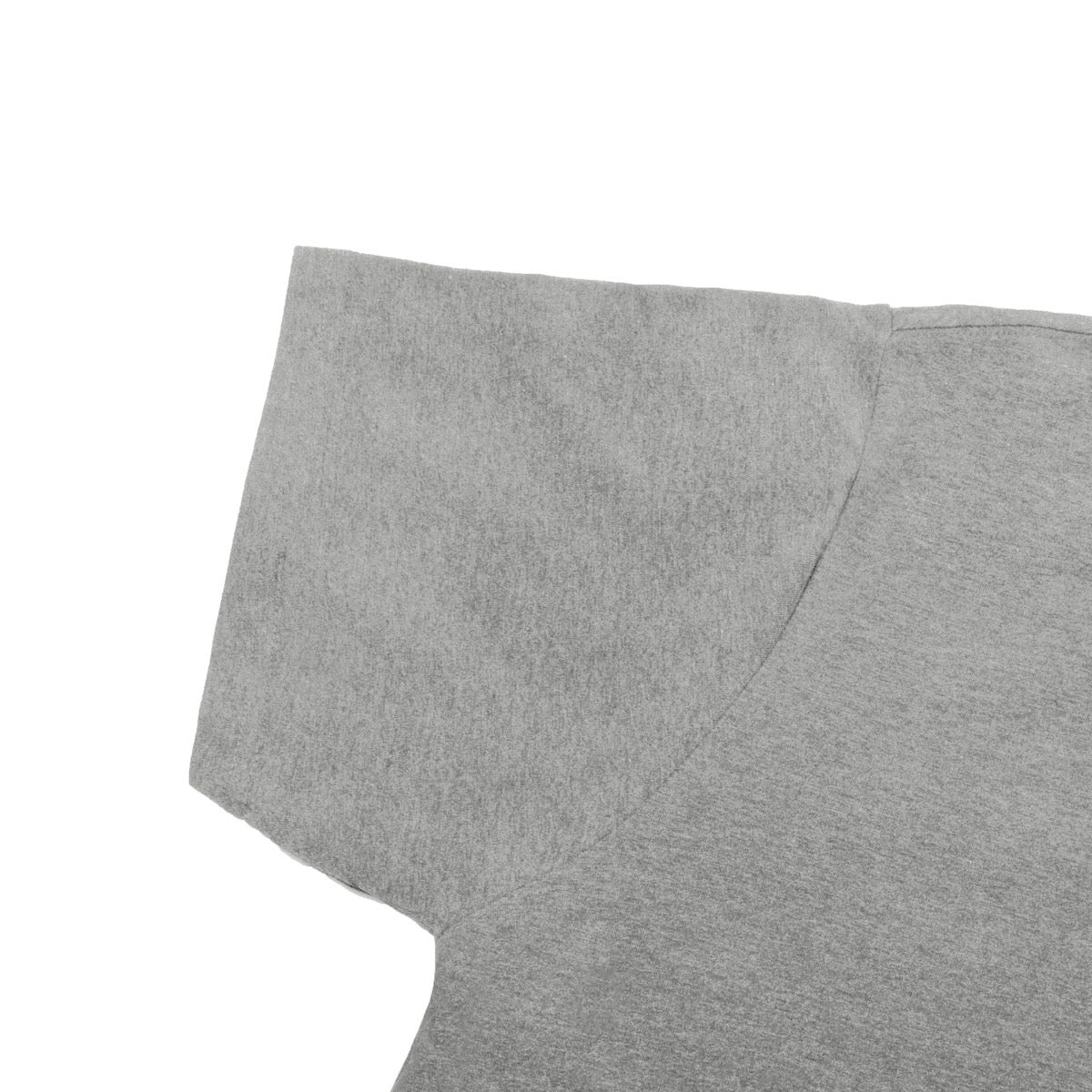
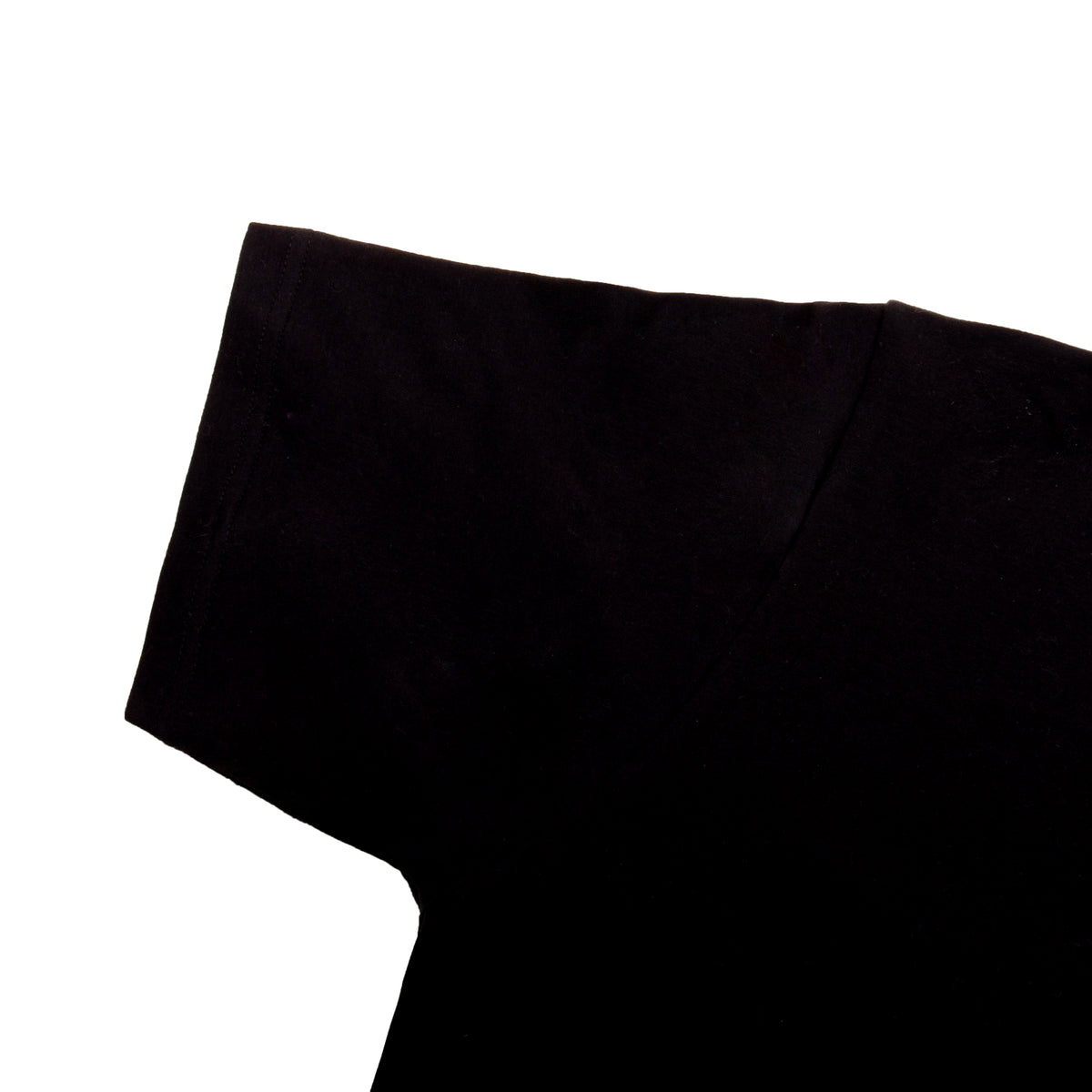
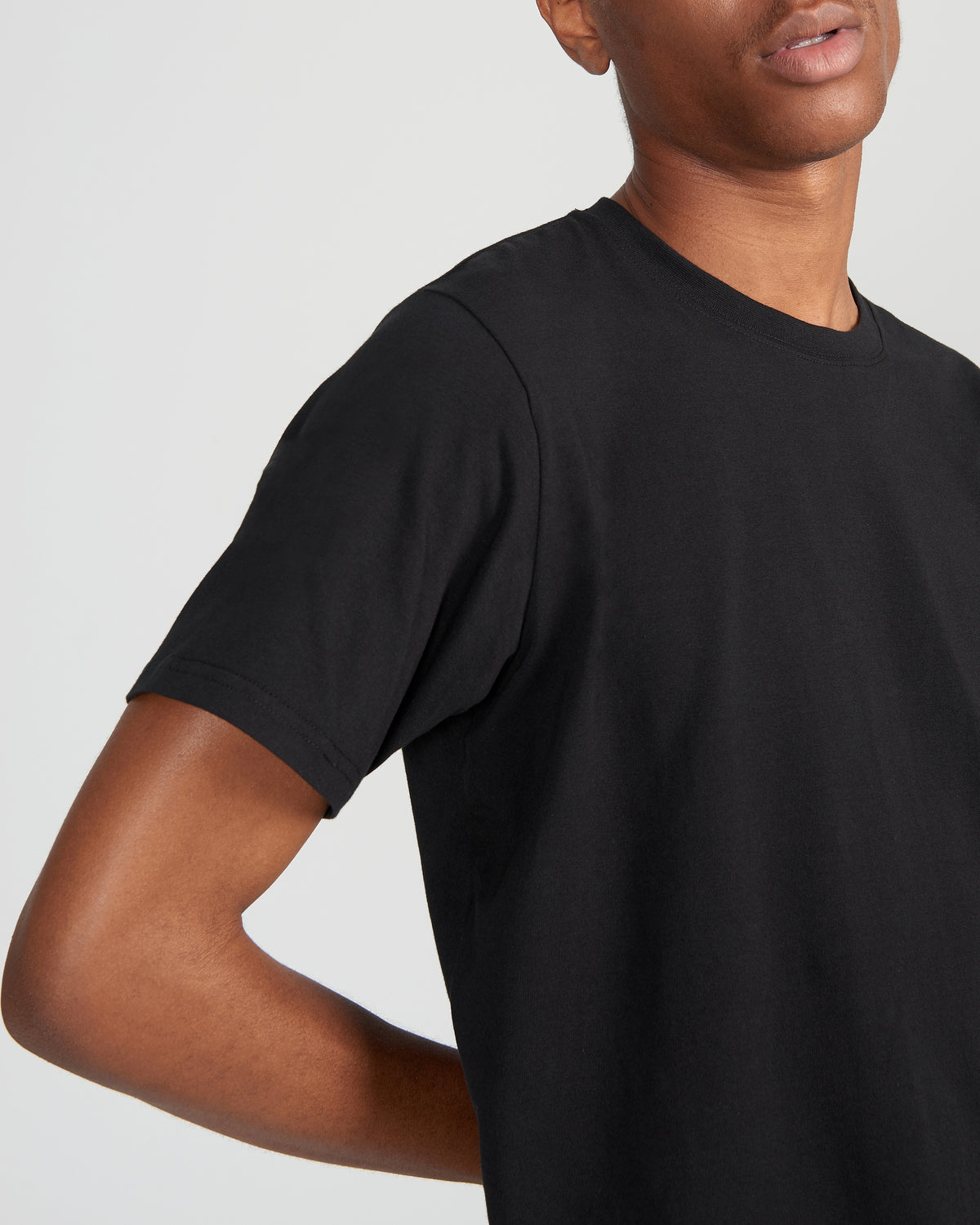
The pads are sewn on the inside of the shirt. This matters for two reasons. It eliminates visible seams on the exterior, so the shirt looks identical to a regular t-shirt from the outside. And it means there are no needle connection points through which sweat can leak when your arms press against your body, which is exactly when you need the shirt to perform.
One honest limitation: any absorbent pad can be overwhelmed under high enough sweat loads. IHhS clinical reference values put mean underarm sweat rates at approximately 14.4 mg/min for men and 9.4 mg/min for women under normal conditions. For the vast majority of social settings, a well-designed pad handles this comfortably
If you've been misled by a shirt that "wicks" but still shows stains, this is why. Social Citizen sweat-proof shirts use a hidden 3-layer underarm pad with a waterproof barrier layer — guaranteed to stop 100% of underarm sweat stains from showing, no matter how slow evaporation is.
How the Three Approaches Compare
| Mechanism | Stops visible wet patches? | Stops deodorant staining? | Key limitations |
|---|---|---|---|
| Moisture-wicking fabric only | Only if evaporation is fast | No | Wet patches persist when evaporation is slow; can spread the visible wet area |
| Underarm pad with barrier layer | Yes, for most sweat loads | Yes | Can be overwhelmed under very high sweat rates; won't treat underlying sweating |
| Waterproof-breathable barrier (full coverage) | Yes | Yes | Reduces breathability; can feel warm or clammy |
The middle row is our approach: targeted pad-plus-barrier protection, without the breathability tradeoff of a full waterproof coating.
Who Should Actually Consider a Sweat-Proof Shirt
Not everyone needs one. If you sweat lightly and a regular shirt handles it, there's nothing to fix.
But if any of these sound familiar, moisture-wicking alone probably isn't cutting it:
-
You've noticed dark patches under your arms on dress shirts or lighter-colored tops
-
You keep a layer on when you'd rather take it off
-
You've limited your wardrobe to darker colors to avoid showing sweat
-
You think about your underarms more than you'd like in professional or social situations
The International Hyperhidrosis Society classifies underarm sweat severity by stain size: under 5 cm is normal range, 5 to 10 cm mild, 10 to 20 cm moderate, and over 20 cm severe. The American Academy of Family Physicians estimates that hyperhidrosis affects roughly 1% to 3% of the U.S. population. But you don't need a clinical diagnosis for sweat stains to affect your day. If they're affecting how you dress or how confident you feel in social settings, wicking alone won't solve it.
What to Look for in a Sweat-Proof Shirt
If your goal is preventing visible stains rather than just feeling more comfortable, here's what to check:
-
A dedicated absorbent layer. The shirt needs something that physically holds sweat before it reaches the outer fabric. Moisture-wicking fabric alone doesn't provide this.
-
A waterproof barrier layer. Without a barrier between the absorbent layer and the exterior, a saturated pad will eventually allow strike-through.
-
No visible seams on the exterior. A pad sewn flat against the shirt creates visible seam lines on the outside. The best designs leave the exterior looking identical to a regular shirt.
-
Fabric suited to your setting. A 95/5 cotton-spandex blend provides the feel and drape of a regular shirt while the pad system handles the functional work.
-
A clear guarantee. If a brand won't commit to stopping stains from showing, find one that will.
For a broader look at how different fabrics handle heavy sweating, see our guide to the best shirts for sweating. If you're specifically looking for something to wear under dress shirts or blazers, our breakdown of sweat-absorbing undershirts covers that use case in more depth.
The Bottom Line
Some sweat-proof shirts work. Some don't. The difference is whether the shirt physically stops sweat from reaching the outer fabric, or just tries to dry faster. Moisture-wicking relies on evaporation, and evaporation isn't always fast enough. A pad-plus-barrier system intercepts sweat before it gets there. Marketing language rarely tells you which approach a shirt uses, so it's worth checking what's actually inside it.
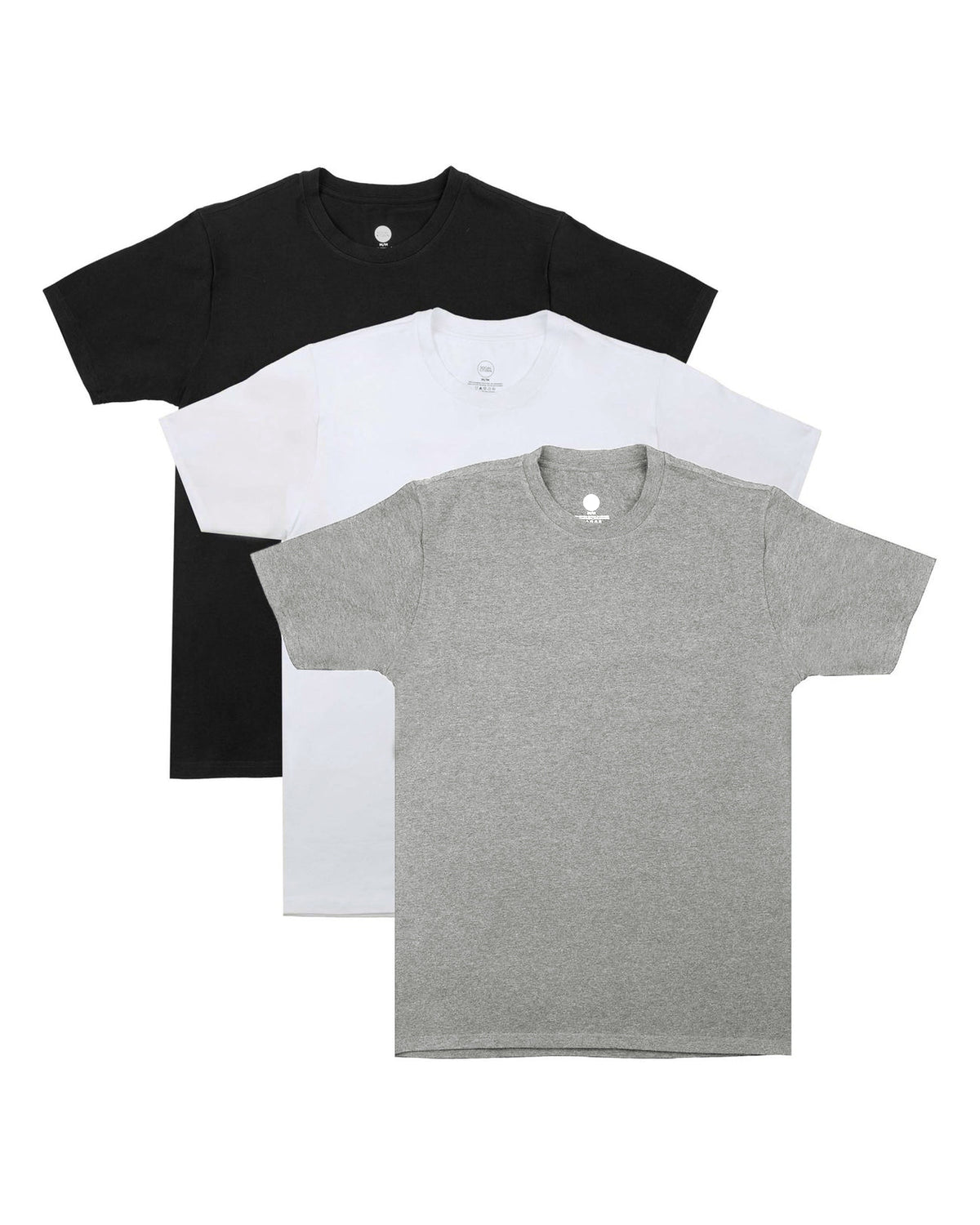
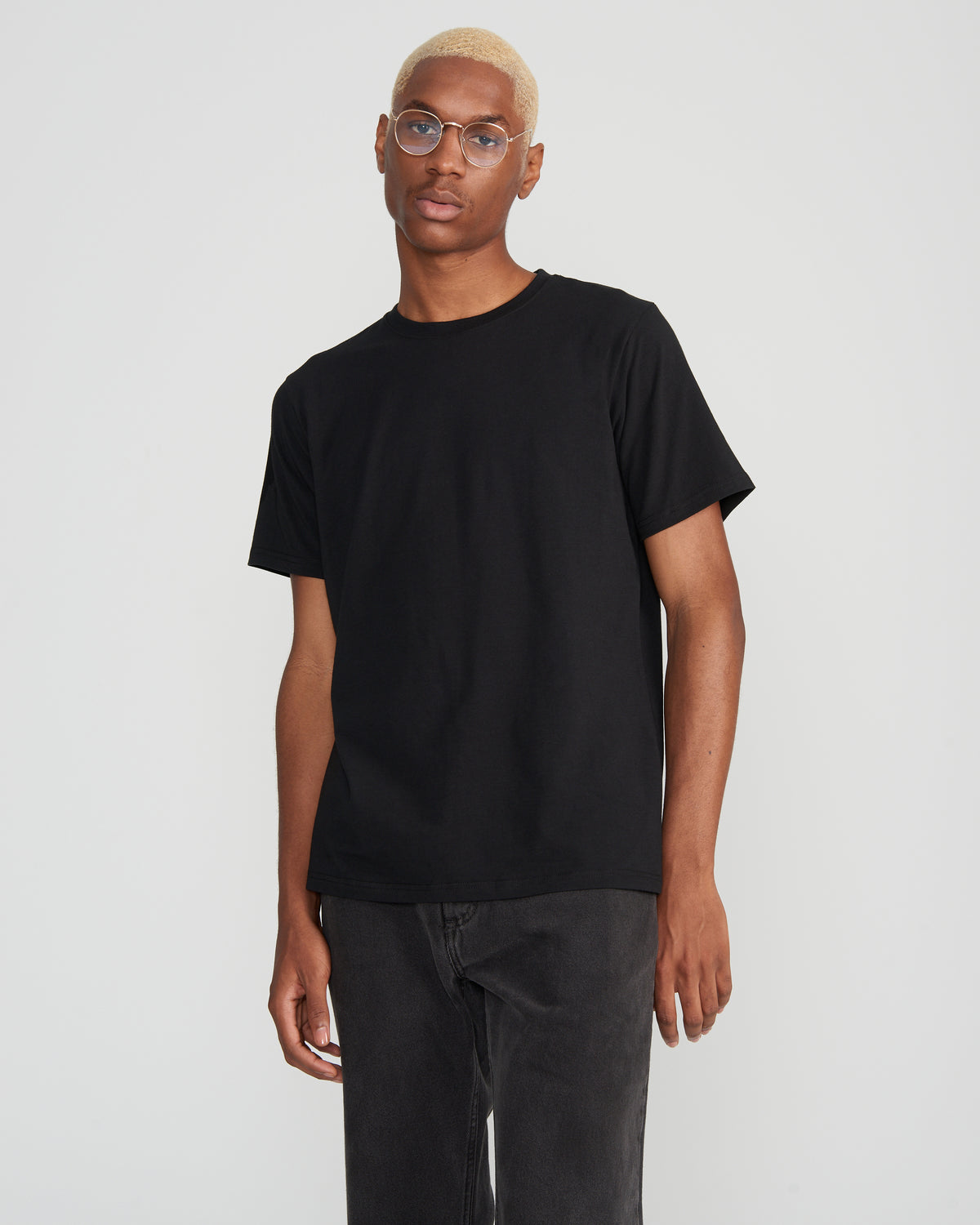
Social Citizen sweat-proof t-shirts are built around the barrier approach, with a hidden 3-layer pad sewn inside each underarm. The shirt looks identical to a regular t-shirt from the outside. We guarantee it stops 100% of underarm sweat stains from showing in social settings.
No more sweat stains.