If you've ever bought a shirt specifically because it was labeled "moisture-wicking" or "sweat-resistant," worn it somewhere important, and still ended up with visible stains, you're not imagining things. The terms mean different things, and none of them are designed to stop underarm stains from showing.
Here's what the labels actually mean, why they fall short for heavy sweaters, and what actually works.
What "Sweat-Absorbing" Means
Sweat-absorbing fabrics take moisture into their fibers and hold it there. Natural fabrics like cotton and wool do this well. Under mild sweating, cotton absorbs moisture before it can pool against your skin or spread visibly across the fabric. That's why it's comfortable.
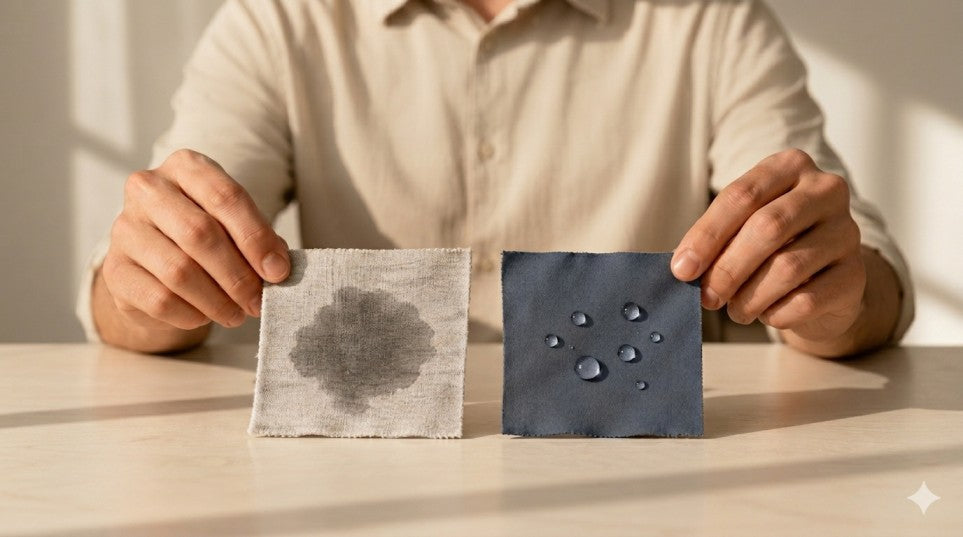
The problem is saturation. Once a fabric has taken in as much moisture as it can hold, the next sweat has nowhere to go. It sits on the surface, spreads, and shows. Cotton can feel fine for the first hour and let you down in the second. The more you sweat, the faster that happens.

What "Sweat-Resistant" Means
Sweat-resistant describes two different behaviors that often get lumped together:
Surface repellency means moisture beads on the fabric rather than soaking in. Synthetic fabrics like polyester do this naturally. The surface stays visually dry, but sweat sits at the skin-fabric interface instead. You stay damp underneath even though the shirt looks fine from the outside.
Penetration resistance means the fabric physically blocks liquid from passing through under pressure. This is a higher bar. A shirt can repel surface moisture and still allow sweat to push through when your arm is pressed against your body, which is exactly the position you're in at a dinner, a meeting, or any social setting.
Marketing rarely specifies which kind of "resistant" you're getting.
What "Moisture-Wicking" Means
Wicking means the fabric moves sweat away from your skin and spreads it across a larger surface area to help it evaporate. Performance fabrics engineered for exercise do this well.
The issue for visible stains is that wicking moves sweat outward, and outward means onto the exterior of the shirt. When evaporation keeps up, the shirt stays dry. When it doesn't, such as when you're sitting still in a warm room, the sweat sits on the surface and shows. Wicking is a comfort feature. It was never designed to be a stain prevention feature.
Why Fabric Alone Doesn't Solve It
| Fabric Behavior | What It Does Well | Where It Fails |
|---|---|---|
| Absorbing (cotton, wool) | Comfortable under mild sweating | Saturates and shows stains once overwhelmed |
| Resistant (surface repellency) | Keeps surface visually dry | Traps sweat at the skin; doesn't prevent strike-through under pressure |
| Wicking (moisture transport) | Moves sweat away from skin | Moves it toward the exterior, where it can still show |
Each approach handles part of the problem. None of them stops sweat from reaching the visible surface of your shirt when you're sweating heavily in a social setting.
This is why researching fabric types rarely gets to a solution. Most customers who find us have already worked through cotton, synthetic blends, moisture-wicking tees, and various undershirt options. Each one moves the problem around. None of them stops stains from showing.
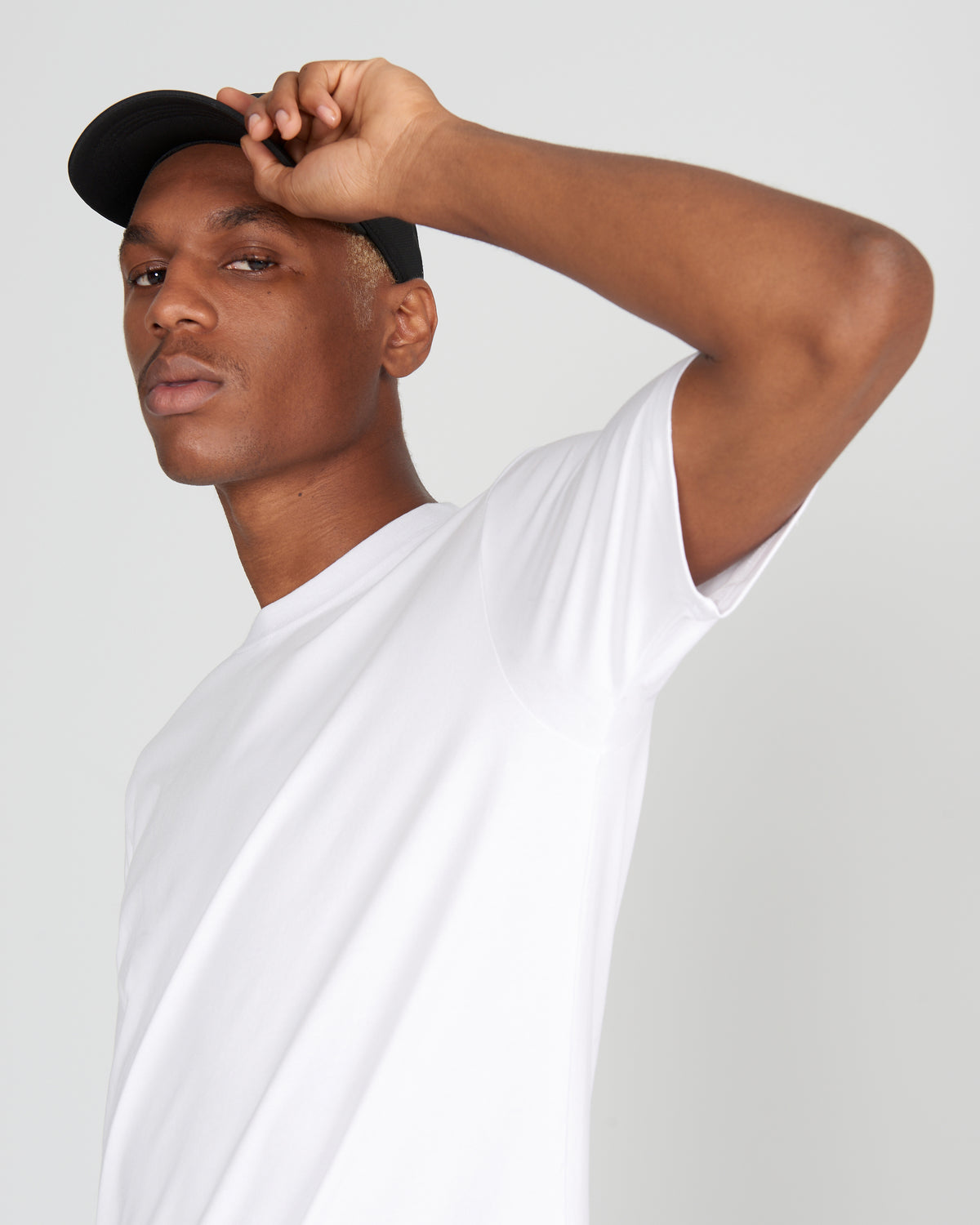
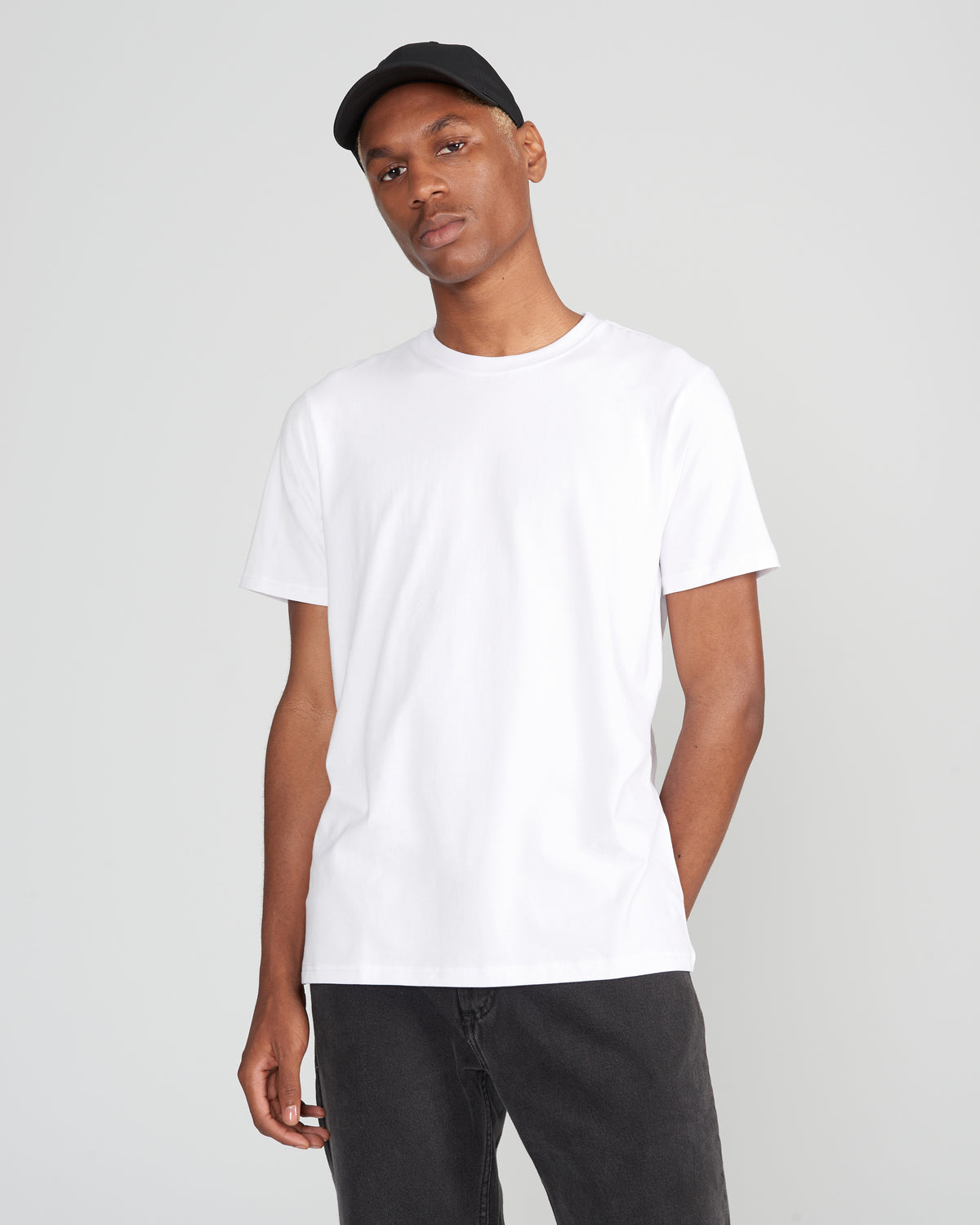
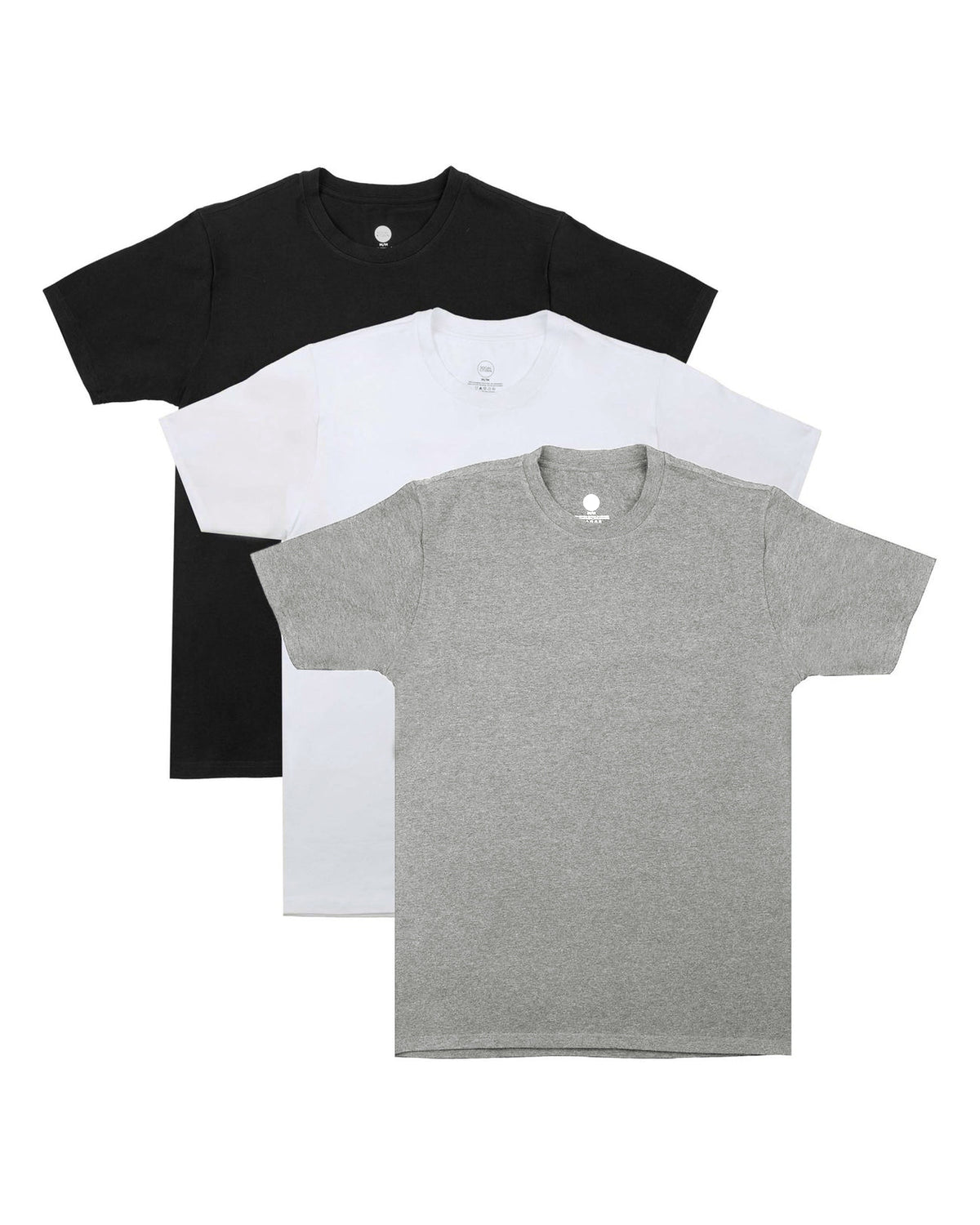
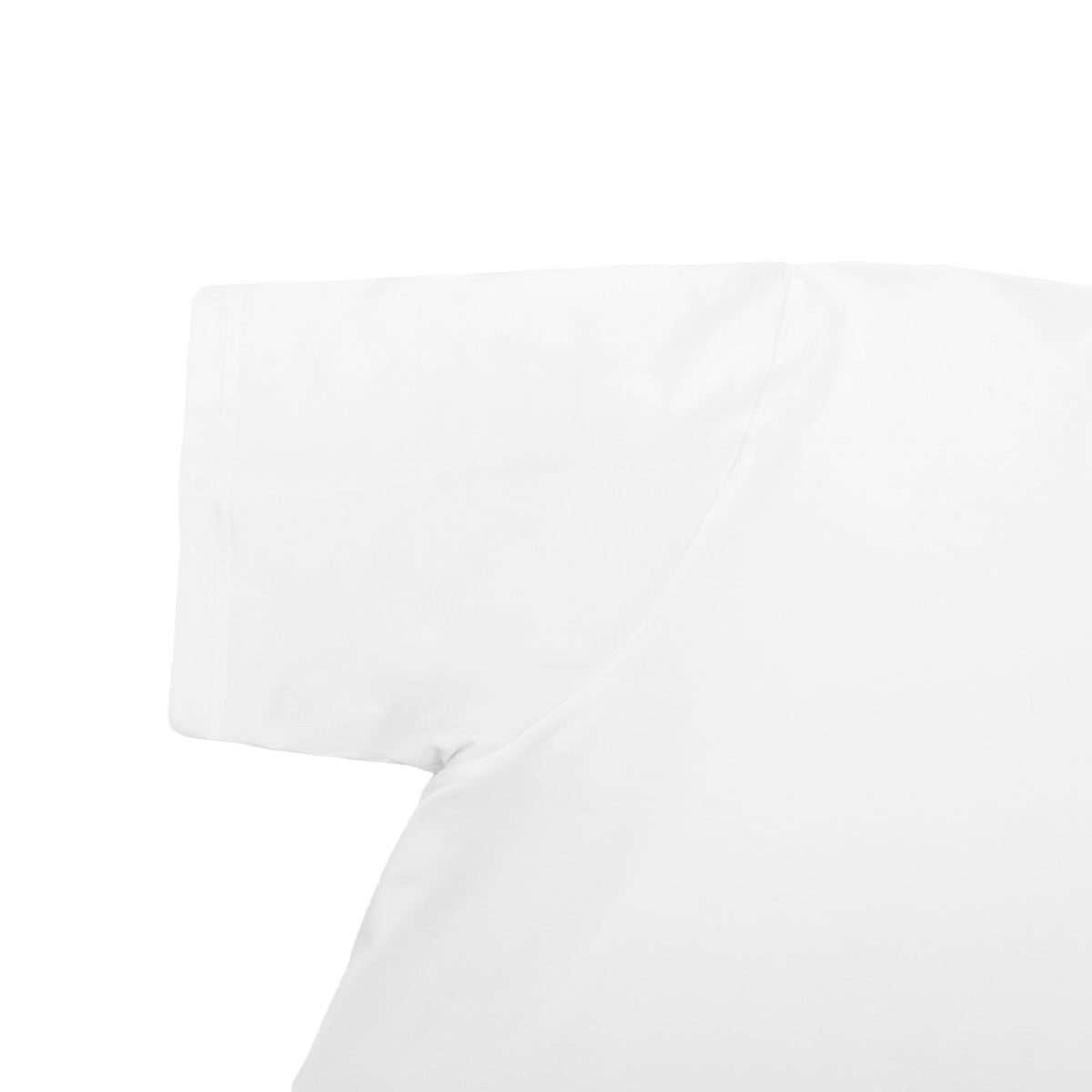
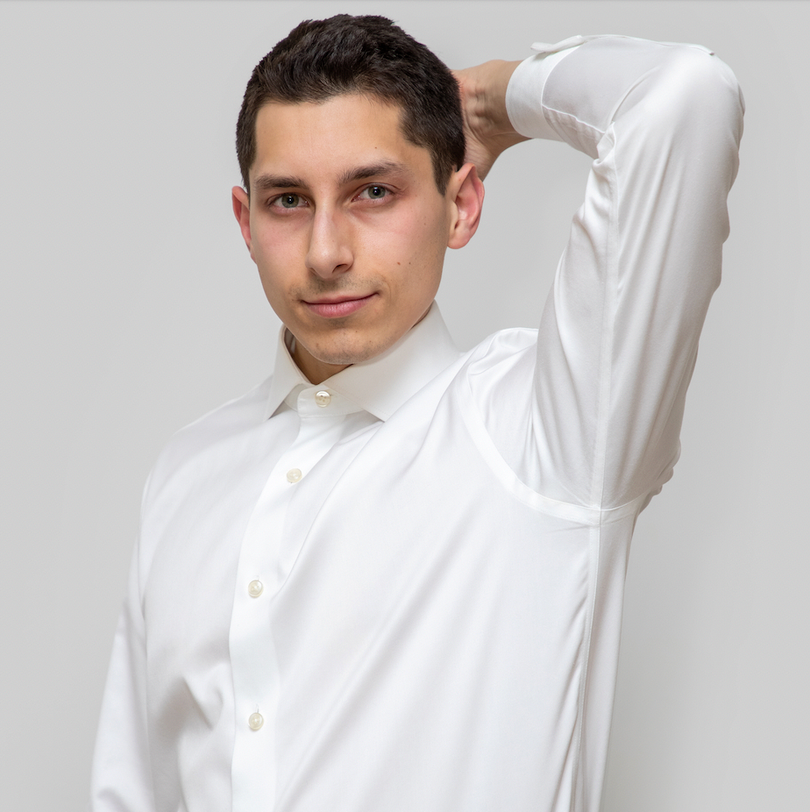
Absorbing, resistant, and wicking each handle one piece of the problem. Social Citizen sweat-proof shirts handle all three with a hidden 3-layer pad — wicking layer, absorbent core, waterproof barrier — guaranteed to stop 100% of underarm sweat stains from showing.
What Actually Stops Stains from Showing
Preventing visible underarm sweat stains requires a system that handles each stage of what happens when you sweat, not a single fabric property.
Every Social Citizen shirt includes a hidden 3-layer underarm pad that works on this principle:
-
Layer 1 (against your skin): A mesh cotton layer that wicks sweat away from the body and keeps the surface feeling dry.
-
Layer 2 (middle): A proprietary absorbent material that expands to capture moisture before it travels any further.
-
Layer 3 (outermost): A waterproof coating that blocks anything from reaching the exterior of the shirt.
Each layer does one job. Together, they're guaranteed to stop 100% of underarm sweat stains from showing in social settings. For a full comparison of available options, see our guide to shirts that don't show sweat.
The Short Version
Absorbing fabrics hold sweat until they can't. Resistant fabrics repel or block moisture, but not always where it counts. Wicking fabrics move sweat outward, which can still leave visible stains. All three describe useful fabric properties. None of them were built to guarantee a dry exterior when you're sweating heavily in a social setting.
That's a different problem, and it needs a different solution.
If visible underarm sweat stains are affecting how you dress or how confident you feel, Social Citizen shirts are guaranteed to stop 100% of them from showing. Browse the full range at socialcitizen.shop.
No more sweat stains.