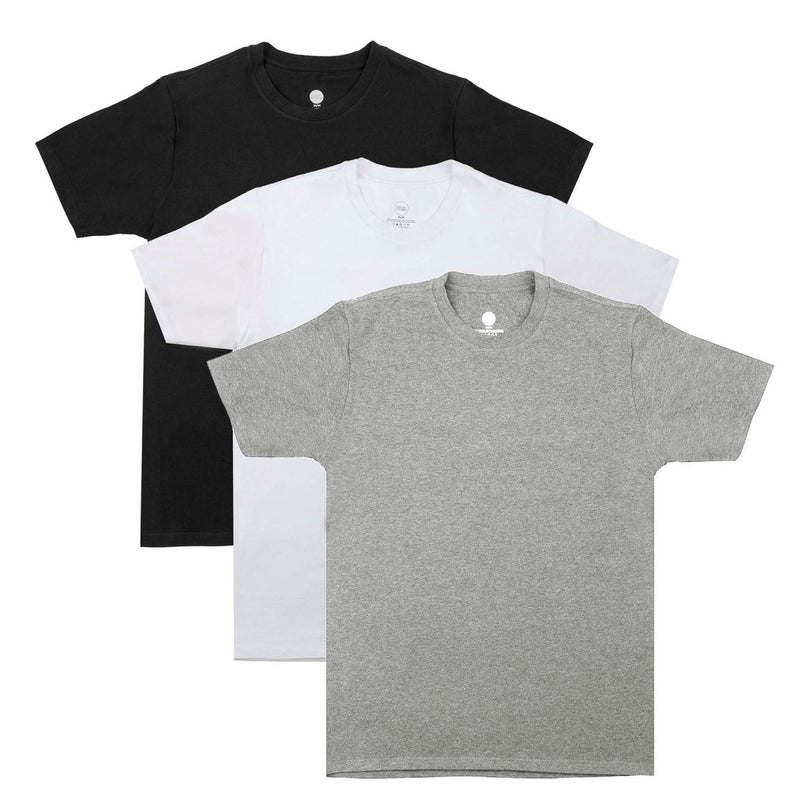
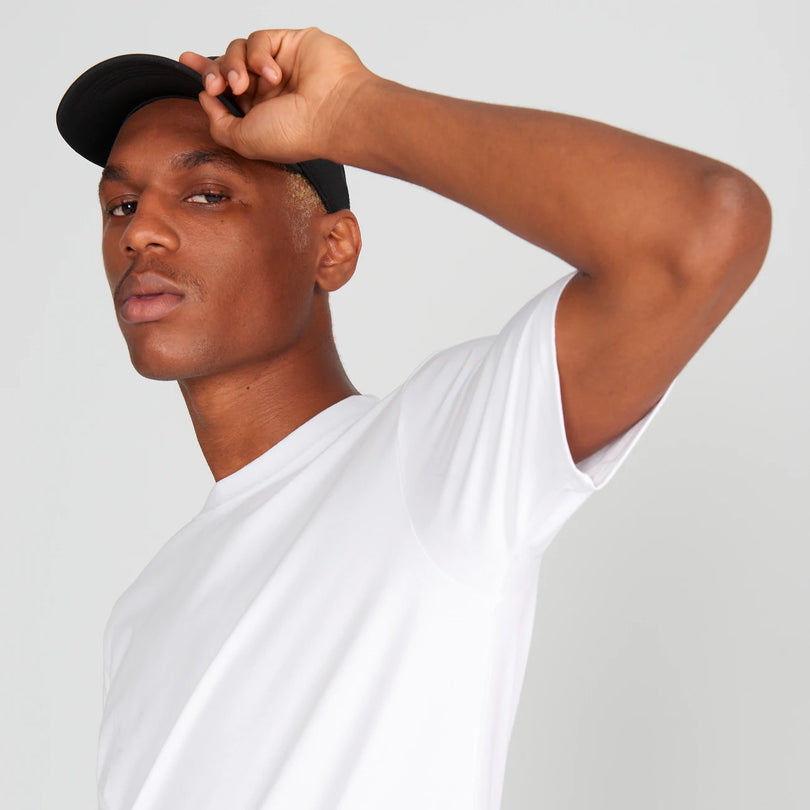
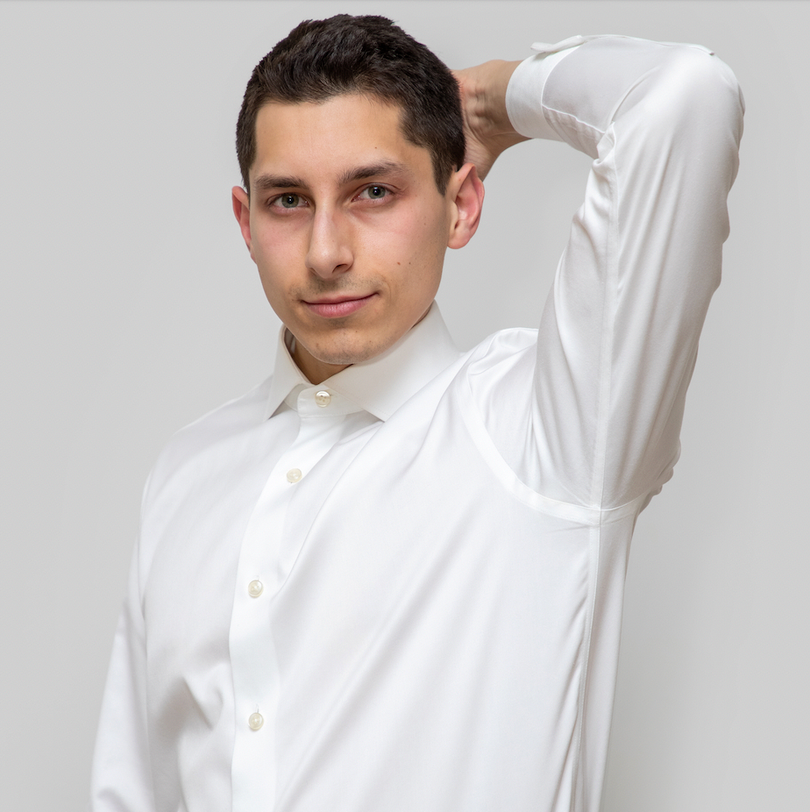
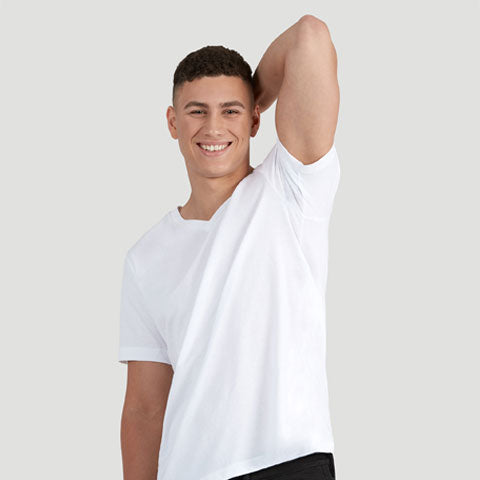
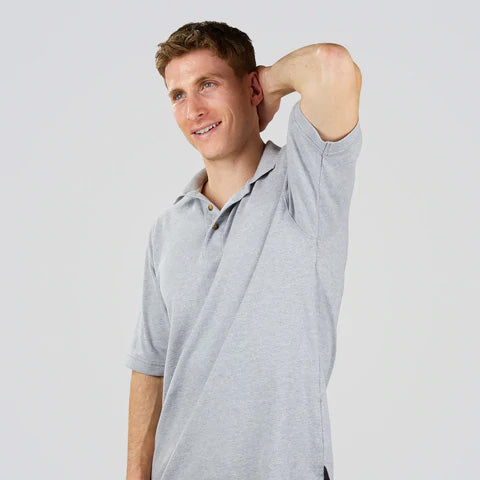

Regular undershirts absorb sweat and try to spread it out so it dries. Sweat-proof undershirts use a physical barrier that stops sweat from reaching your outer shirt entirely. That's the fundamental difference: one manages moisture, the other blocks it.
For people who sweat lightly, a regular undershirt works fine. But if you've ever looked down and seen dark circles under your arms halfway through the day, absorption alone isn't solving your problem. A regular undershirt has a saturation point, and once it's reached, sweat transfers straight through to whatever you're wearing over it.
At Social Citizen, we've built our entire product line around the barrier approach, and this article breaks down exactly why.
Why This Matters More Than You Think
Sweat stains aren't just a comfort issue. They change how people feel in their own clothes.
You skip the light blue shirt. You keep your jacket on even when you're warm. You avoid raising your hand or reaching across someone at lunch. These are small adjustments, but they add up. According to a large national survey published in the Journal of the American Academy of Dermatology, roughly 7.8 million Americans deal with hyperhidrosis (excessive sweating). Over half of them experience it in the underarms, putting the number of Americans dealing with clinically significant underarm sweating at about 1 in 70.
But you don't need a clinical diagnosis for sweat stains to affect your day. Plenty of people sweat more than average and just deal with it quietly. This article is for all of them.
Why Sweat Stains Show Up in the First Place
Sweat stains are really just an optical trick. When fabric gets wet, it changes how light passes through and bounces off the material. Wet spots look darker. That's it. The color of your shirt doesn't change. The fabric just becomes slightly more transparent where the moisture is, and the contrast makes the wet area obvious.
This is why the fix isn't about drying faster. It's about keeping the moisture from reaching the visible layer of fabric in the first place.
What Regular Undershirts Actually Do
A regular undershirt works by wicking, which is just a fancy word for pulling moisture through fabric and spreading it out so it can dry. The idea is that if sweat spreads thin enough, it evaporates before anyone notices.
How well this works depends on the fabric. Some materials hold a lot of moisture before they feel wet. Others barely hold any and rely on drying quickly. Here's a rough breakdown of how common undershirt fabrics compare:
| Fabric | How Much Moisture It Holds | What That Means |
|---|---|---|
| Wool | High | Absorbs a lot before feeling wet |
| Cotton | Moderate | Holds moisture well, but gets damp and heavy when it has had enough |
| Cotton-poly blend | Lower | Holds less than cotton, dries a bit faster |
| Nylon | Low | Used mostly in blends |
| Polyester | Very low | Barely absorbs anything, relies on fabric construction to move moisture |
The problem with all of them is the same: they have a limit. Once the fabric in your underarm area is saturated, sweat transfers straight through to your outer shirt. For lighter sweaters, that limit may never get reached. For heavier sweaters, especially when your arms are pressed against your body, the undershirt gets overwhelmed before it can dry.
That's when stains show up.
How Sweat-Proof Undershirts Work (And Why It's Different)
Sweat-proof undershirts don't try to out-absorb the problem. They use a physical barrier in the underarm area that stops liquid from passing through, period.
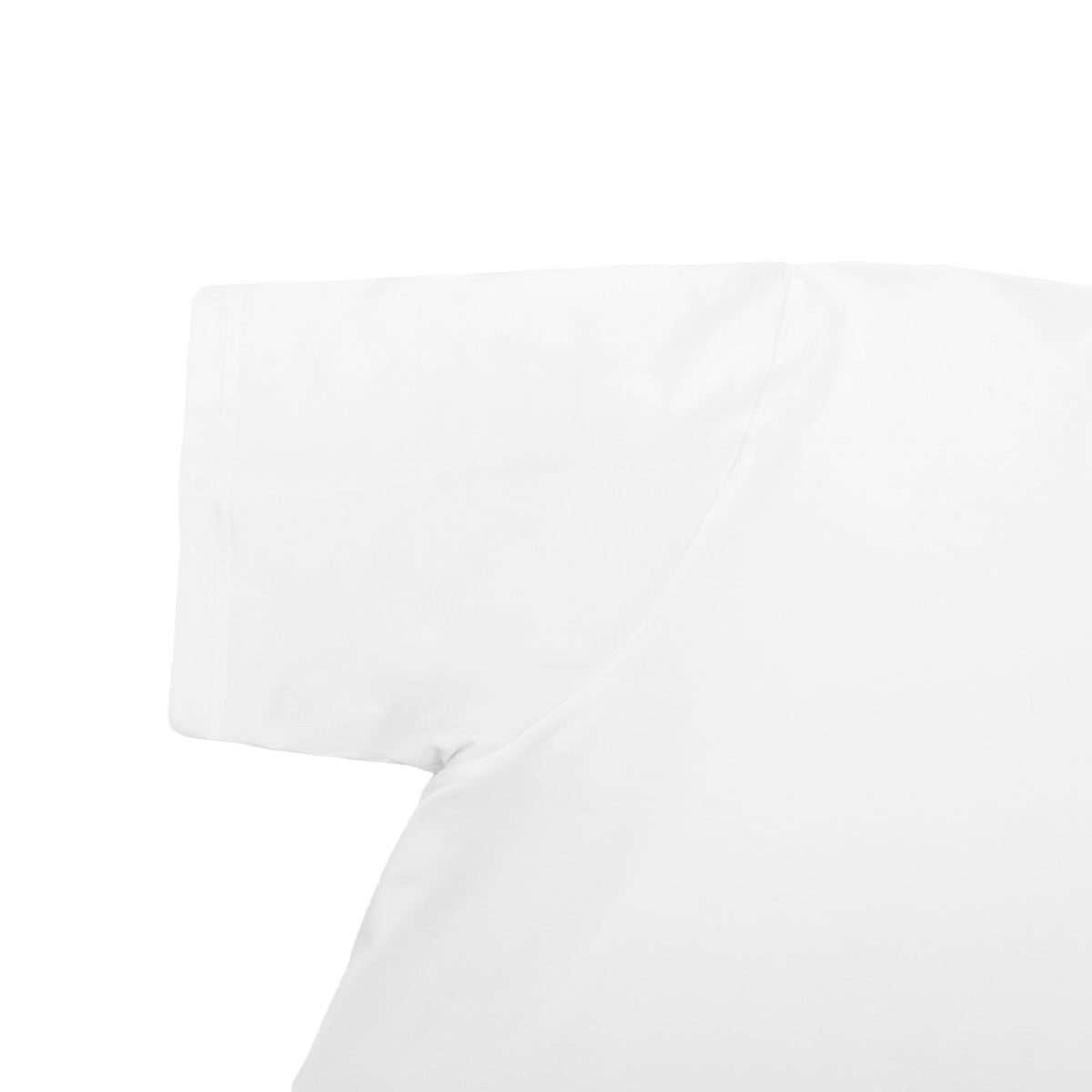
Patented designs for this type of construction typically use three layers working together:
-
An inner layer against your skin that wicks sweat away from your body, keeping the surface dry
-
An absorbent middle layer that captures and holds moisture
-
A waterproof outer layer that blocks any remaining liquid from getting through to your shirt
That outer layer works the same way waterproof-breathable membranes do in performance outerwear. A peer-reviewed materials review explains the principle: the membrane has no pores, so liquid water physically cannot pass through. Water vapor (the invisible kind) still escapes through the material, but liquid sweat is stopped cold.
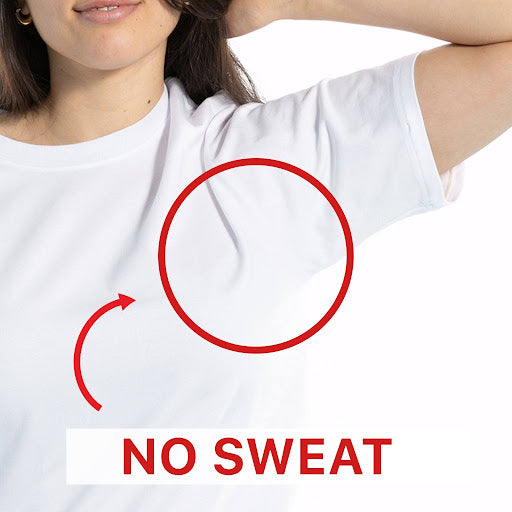
The result is a garment that can actually guarantee no visible stains, because the sweat never reaches the outside.
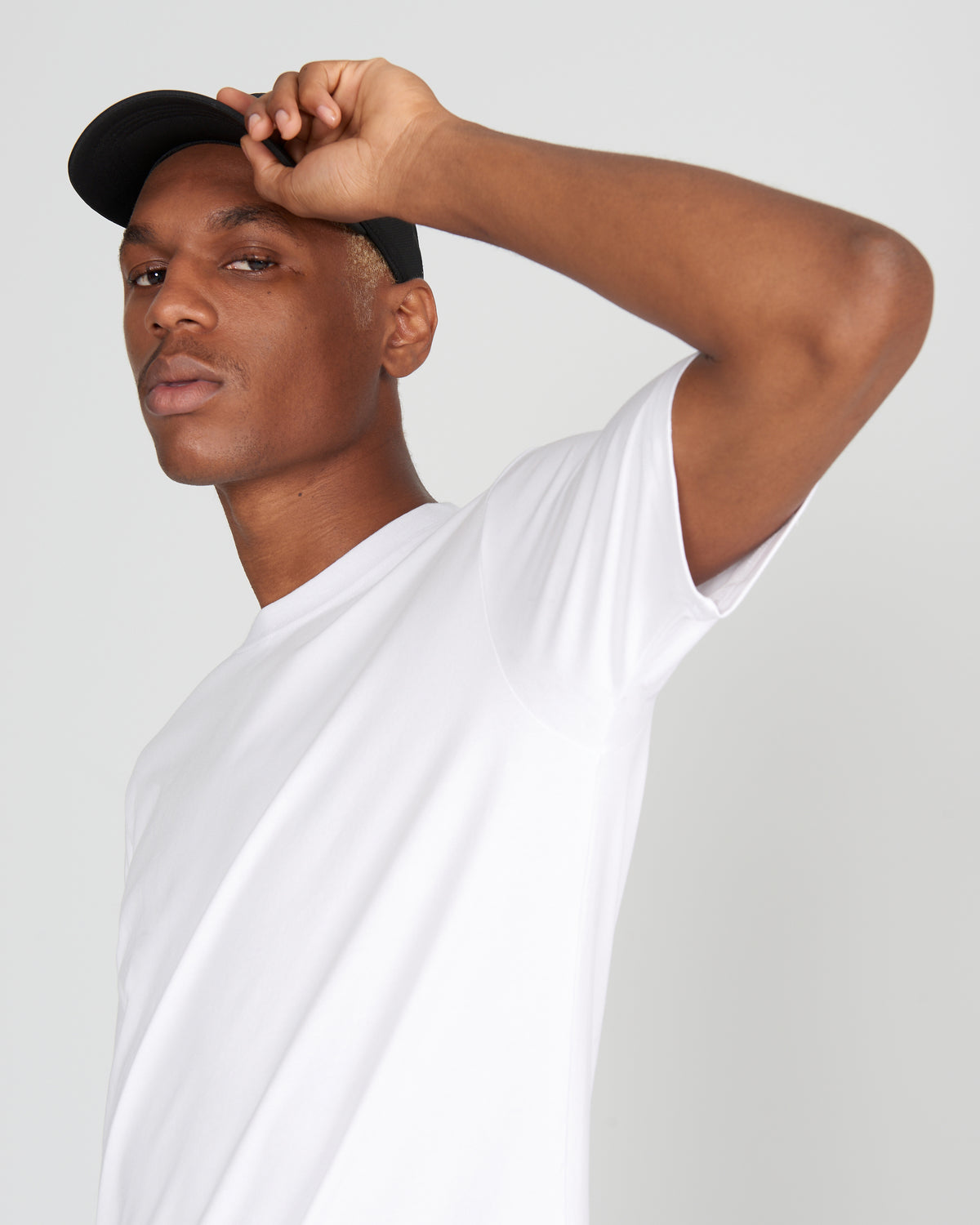
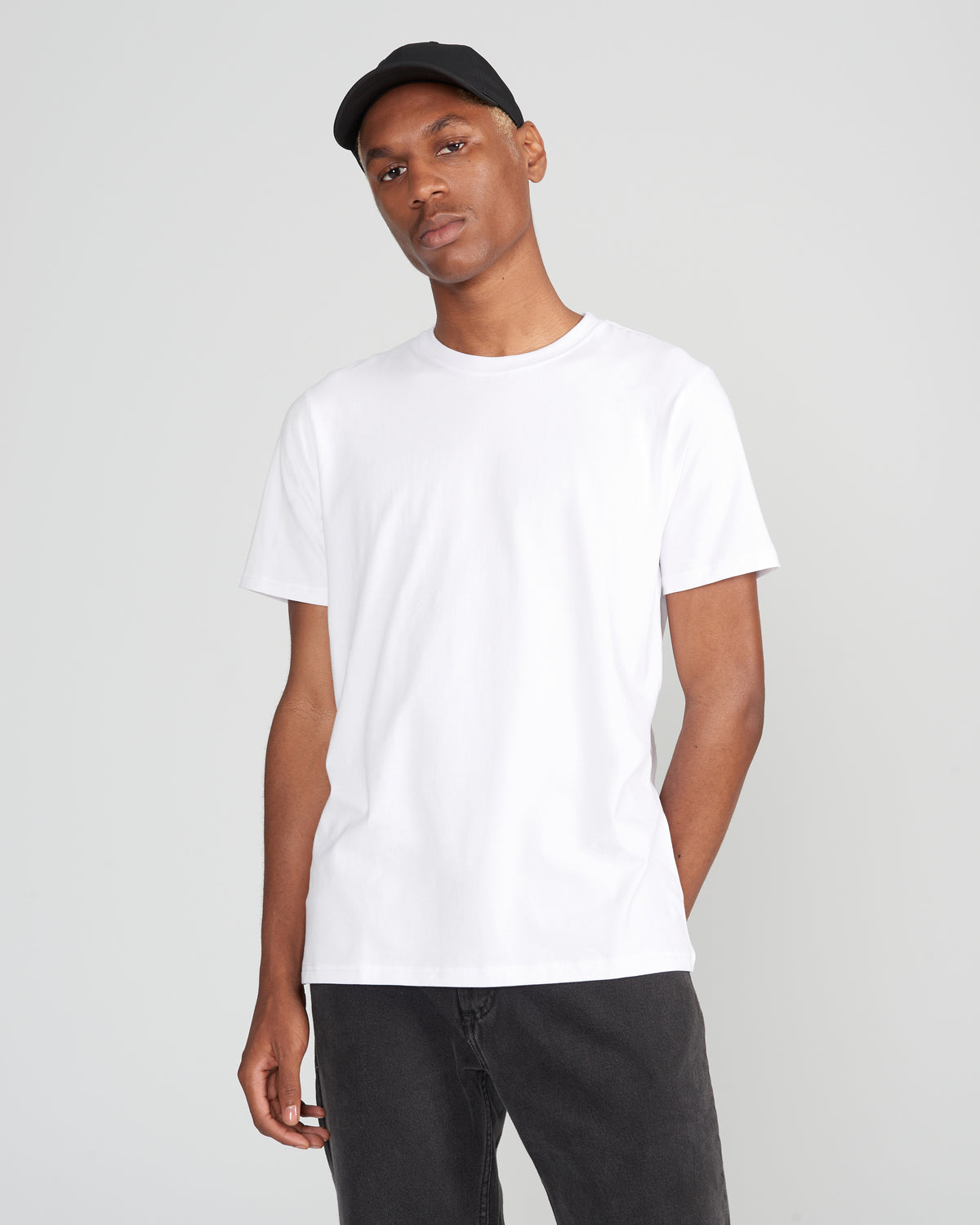
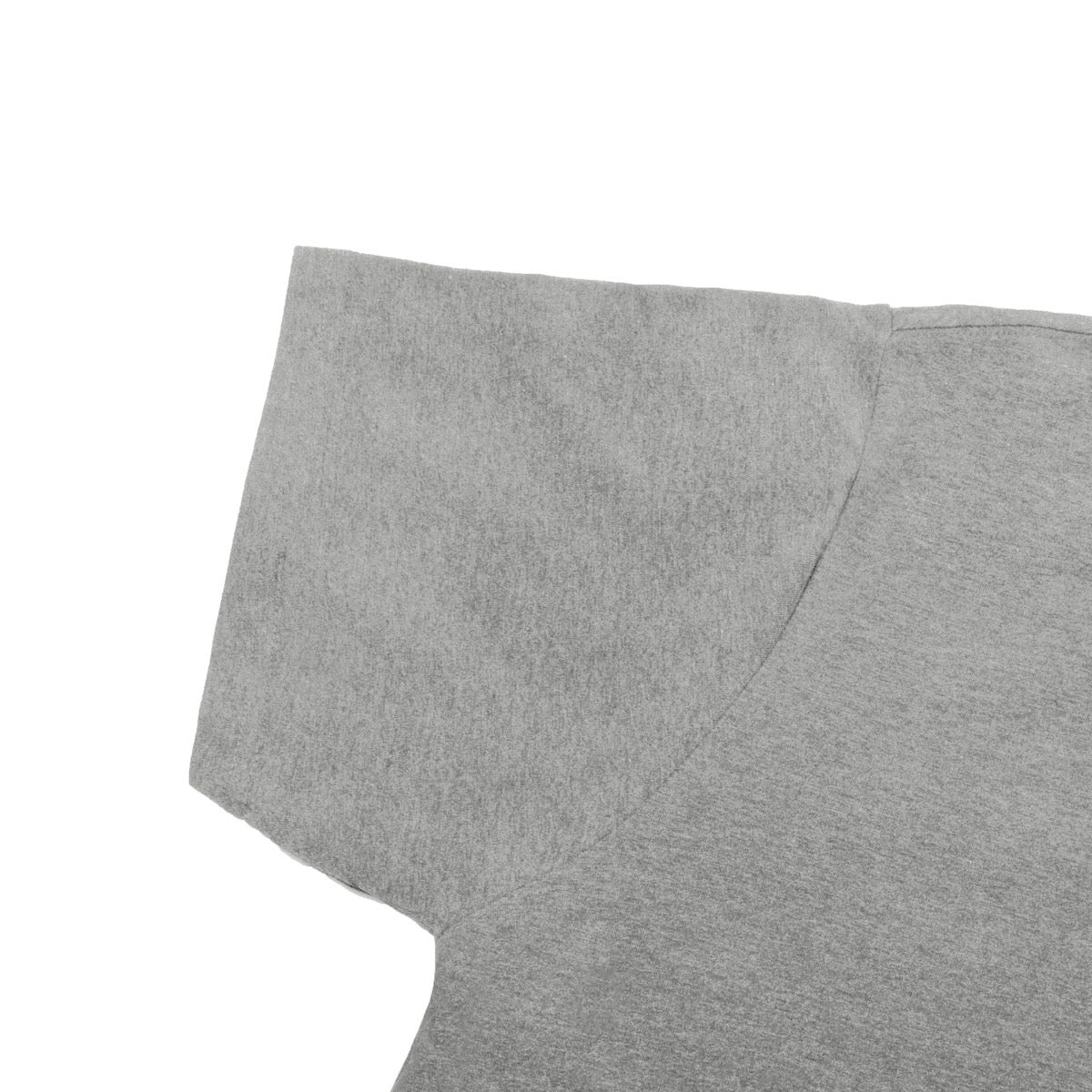
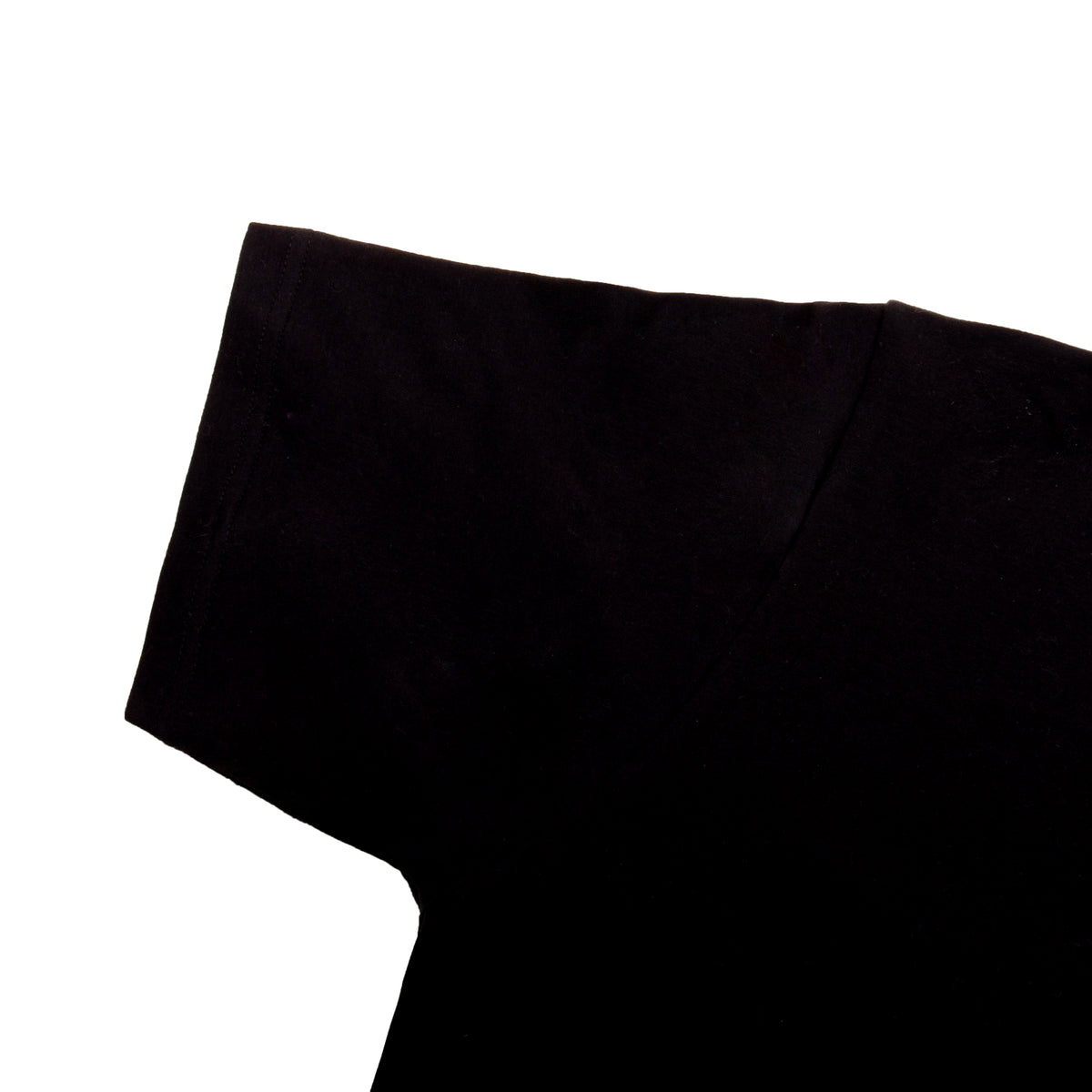
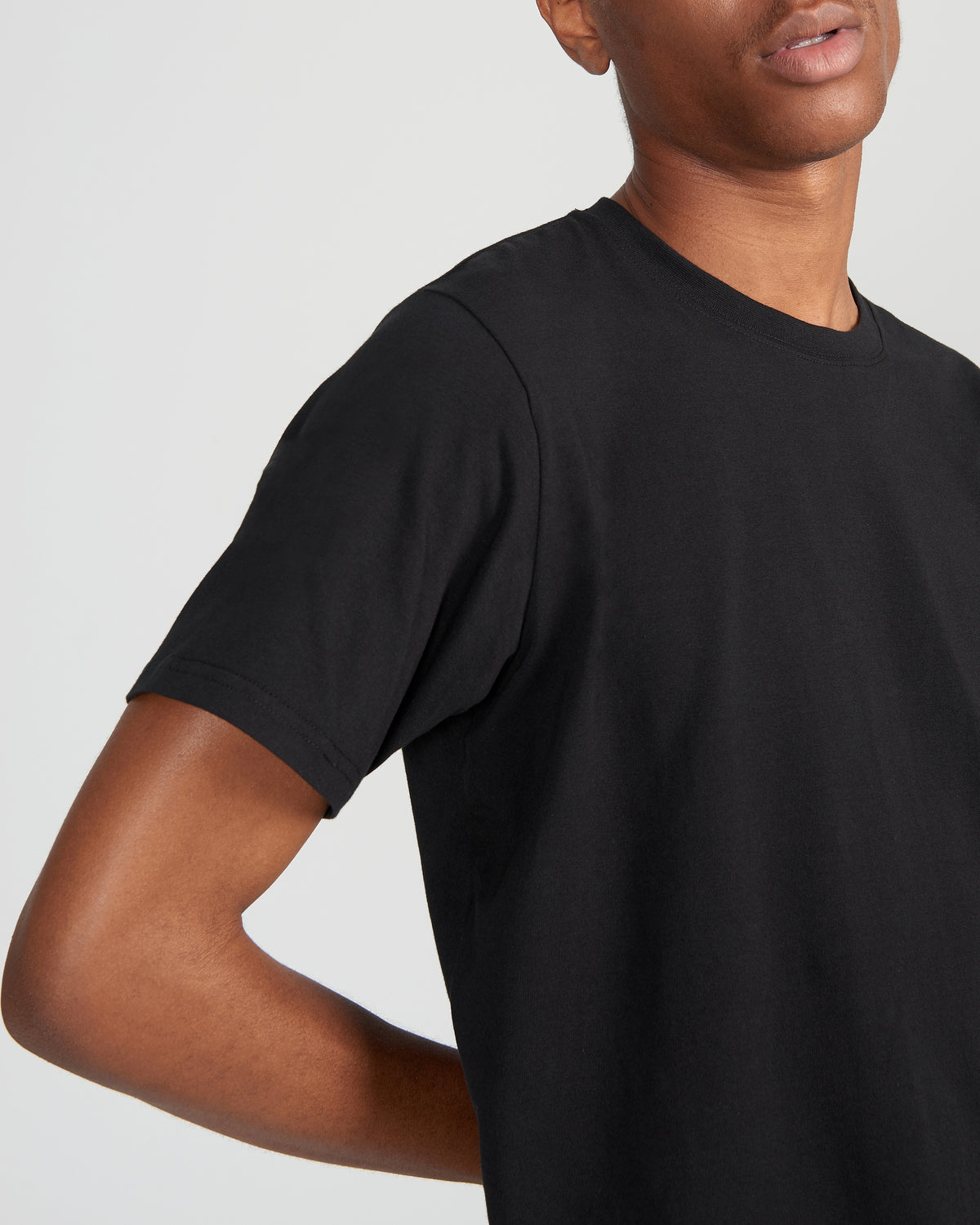
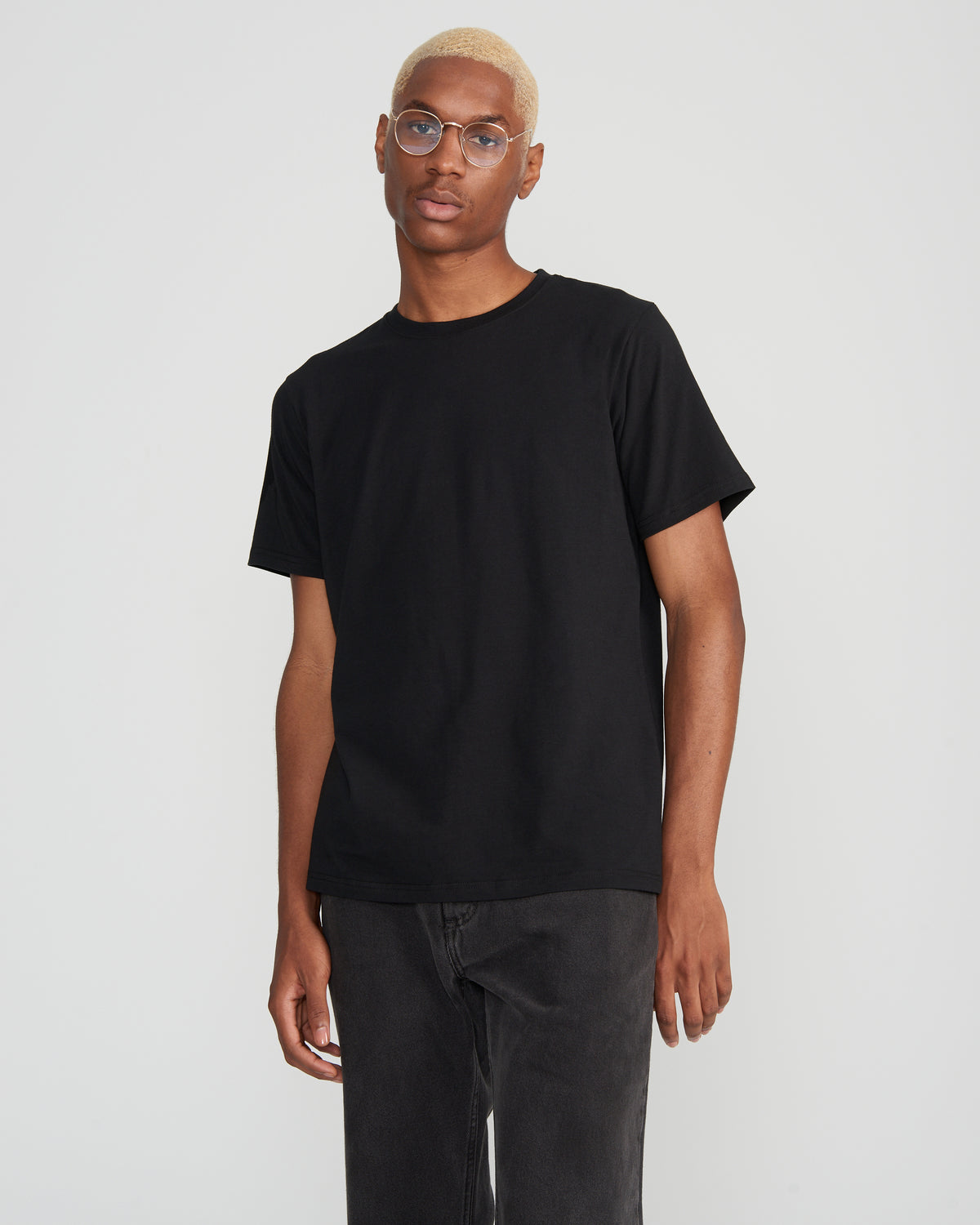
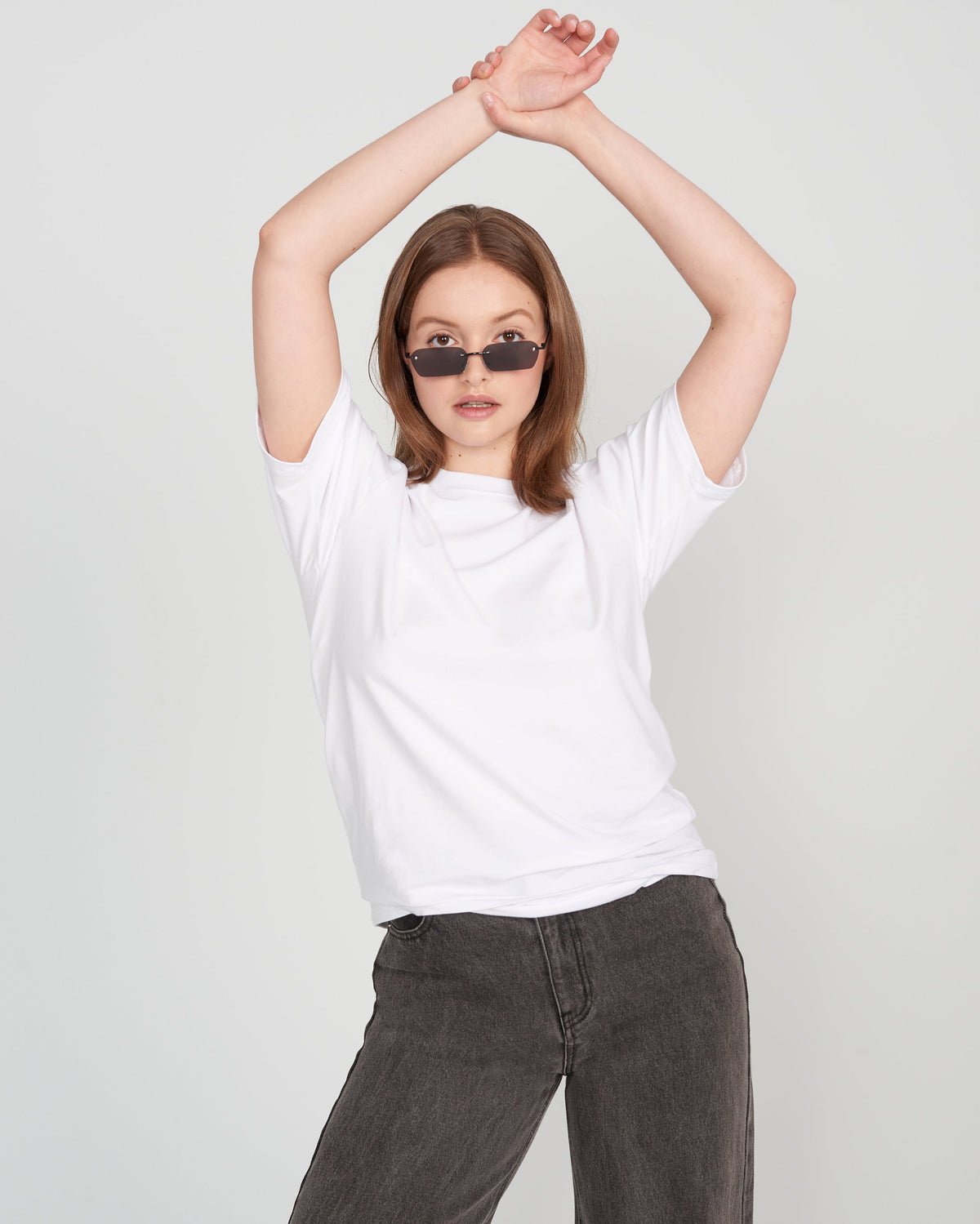
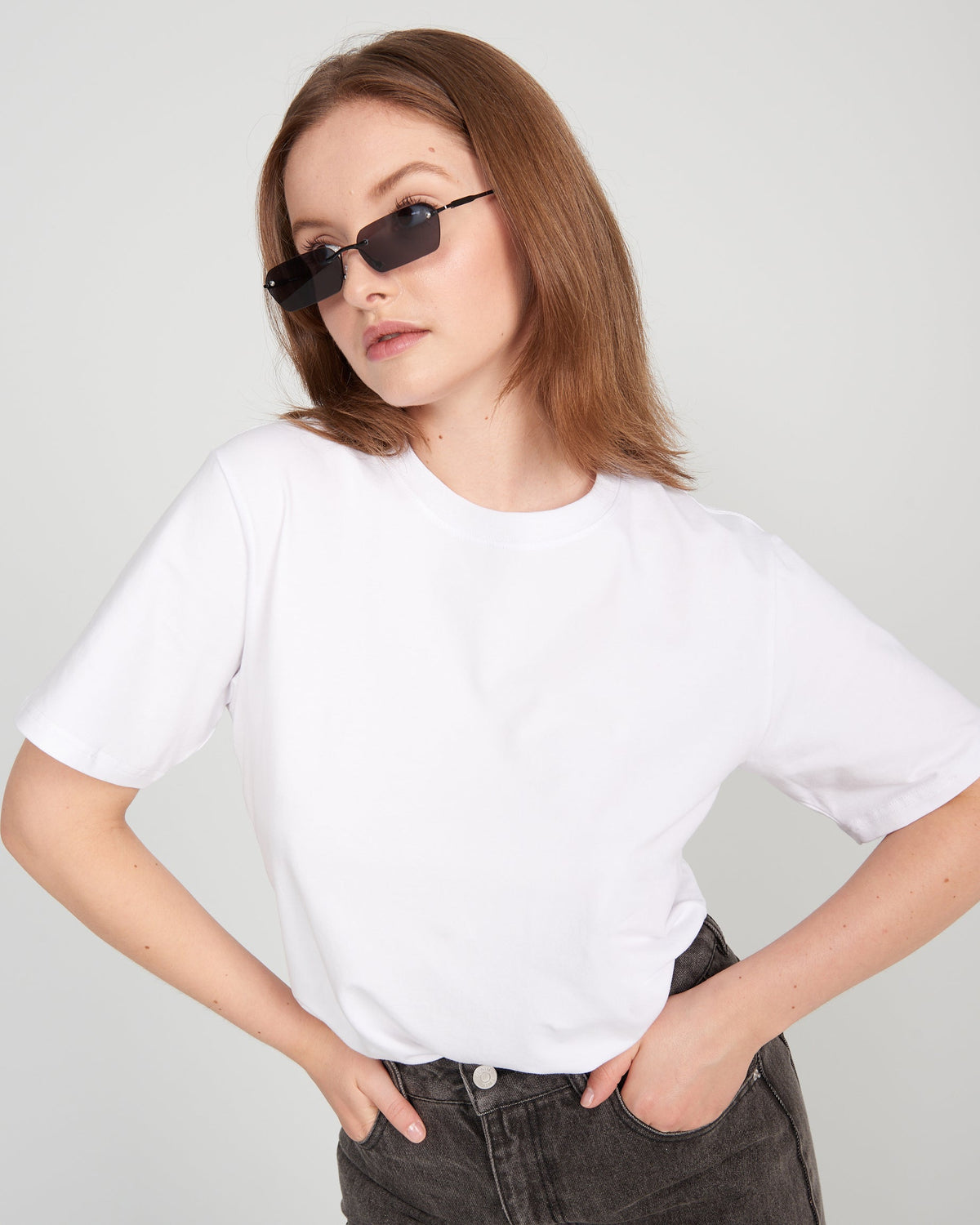
Our sweat-proof shirts use this same construction with a hidden 3-layer underarm pad. The key design detail is how the pad is attached: sewn on the inside of the shirt rather than sewn flat to the shirt. This keeps the pad floating freely inside the garment, so there are no visible seam lines on the outside. That means our shirts can be worn on their own as regular shirts, not just hidden underneath something else.
The Honest Trade-Off
Any barrier in the underarm area reduces airflow to that spot. That's the trade-off, and it's worth being upfront about.
A poorly designed barrier can feel warmer or clammier than a regular undershirt because it traps heat along with moisture. Two things determine whether a sweat-proof shirt is comfortable or miserable to wear:
-
How fast the inner layer moves sweat away from your skin. If sweat sits against your skin, you feel wet even though none of it is reaching your outer shirt.
-
How thin the barrier is. A thick, bulky pad traps heat. A thinner design lets your body regulate temperature more naturally.
There's also the odor factor. Research on body odor shows that the smell comes from bacteria on your skin breaking down compounds in sweat. If a design holds moisture against your skin instead of pulling it away, it creates a better environment for those bacteria to work. A well-designed sweat-proof shirt avoids this by wicking quickly on the skin side and keeping the barrier layer thin.

Who Should Actually Consider Sweat-Proof
Not everyone needs a sweat-proof undershirt. If you sweat lightly and a regular cotton undershirt handles it, there's no reason to change what works.
But if any of these sound familiar, a regular undershirt probably isn't cutting it:
-
You've noticed dark circles under your arms on dress shirts or lighter-colored tops
-
You've avoided certain shirt colors because you know they'll show sweat
-
You keep a layer on when you'd rather take it off
-
You think about your underarms more than you'd like to admit in professional or social settings
The International Hyperhidrosis Society classifies underarm sweat severity by stain size: under 5 cm can be normal, 5 to 10 cm is mild, 10 to 20 cm is moderate, and over 20 cm is severe. But labels aside, if visible sweat stains are affecting how you dress or how confident you feel, wicking alone won't fix it. A barrier is the only approach designed specifically for that problem.
For more on which fabrics handle sweat best overall, see our breakdown of the best fabrics for sweating.
Side-by-Side Comparison
If Sweat Stains Are the Problem, Start Here
Wicking is a comfort feature. A barrier is a stain prevention feature. If visible underarm sweat stains are what you're trying to fix, only one of those approaches is built for the job.
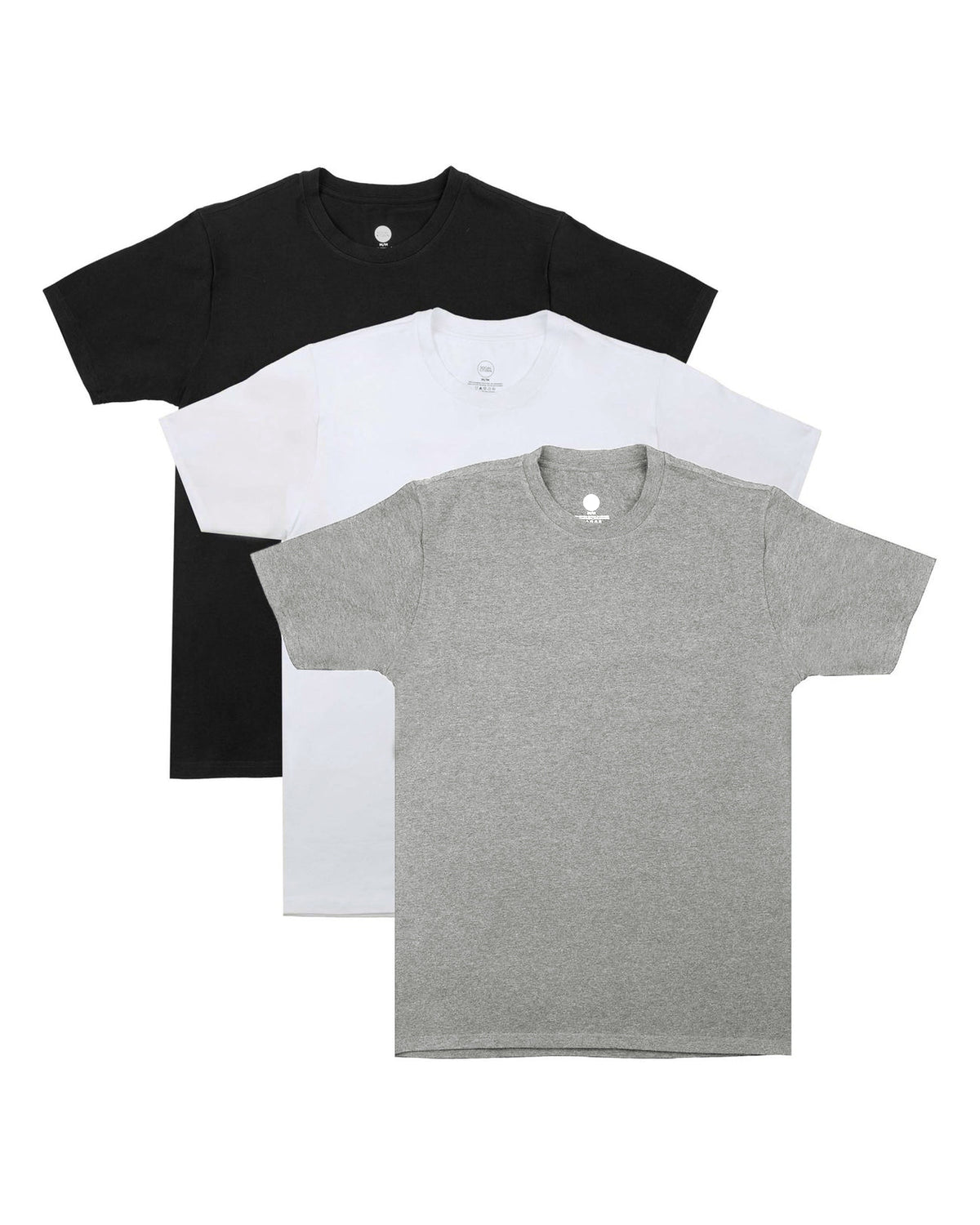
Our sweat-proof shirts use a hidden 3-layer underarm pad that is guaranteed to stop 100% of underarm sweat stains from showing. They work as undershirts under dress shirts and blazers, and they work just as well worn on their own, with no visible seams to give them away.
If you're new to sweat-proof shirts and want to know what to expect from the pads, our sweat-proof undershirt guide covers everything from first wear to care.
No more sweat stains.