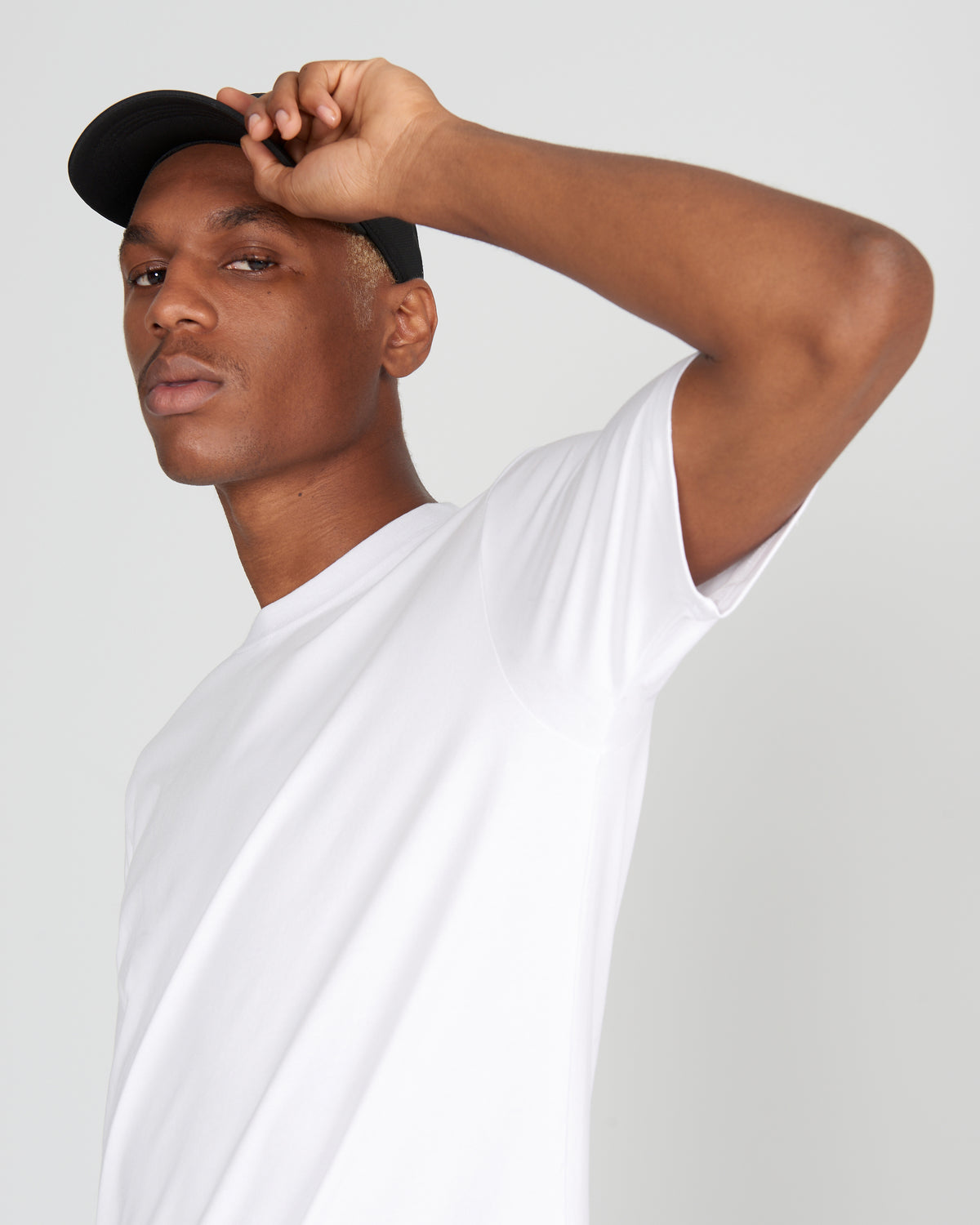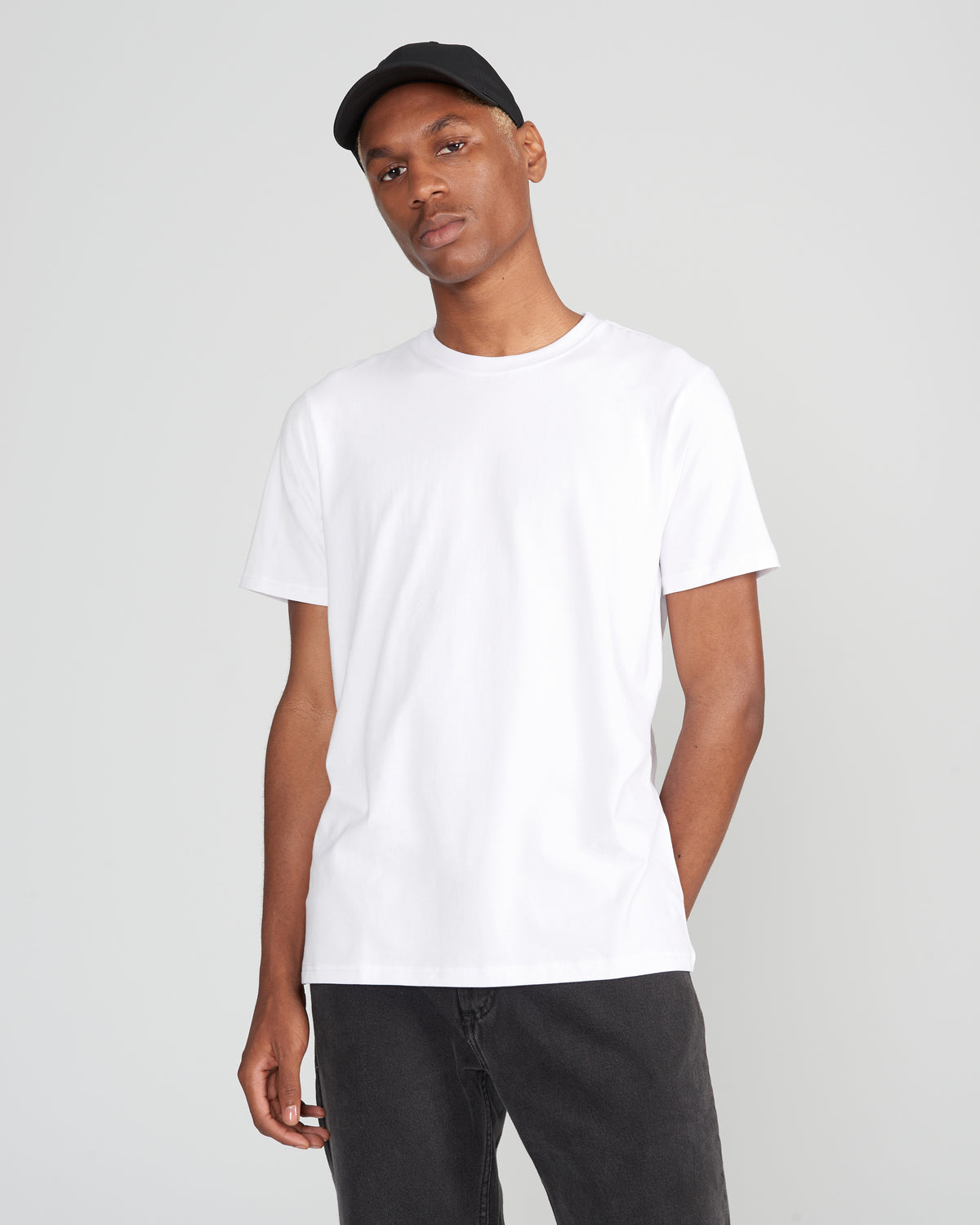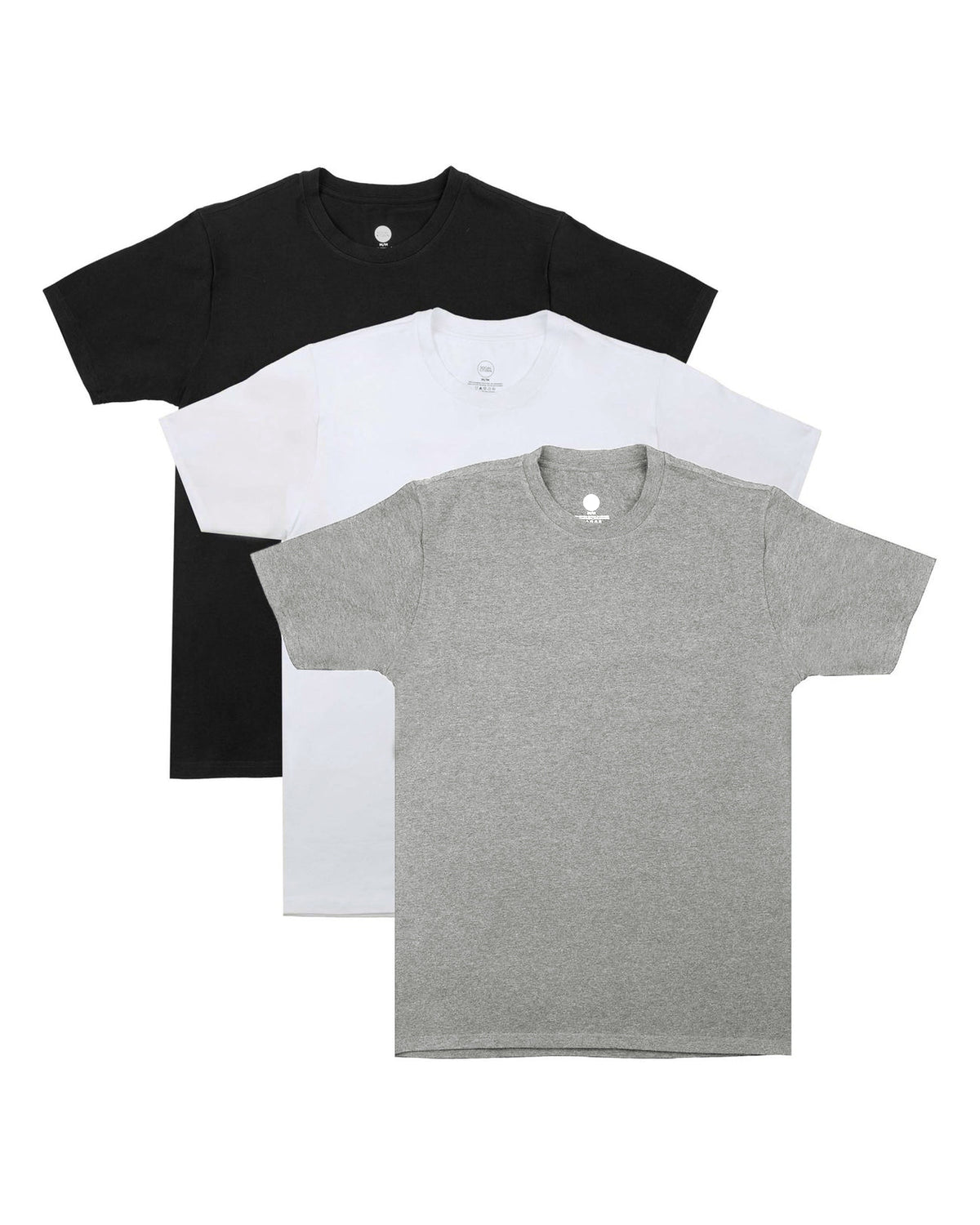
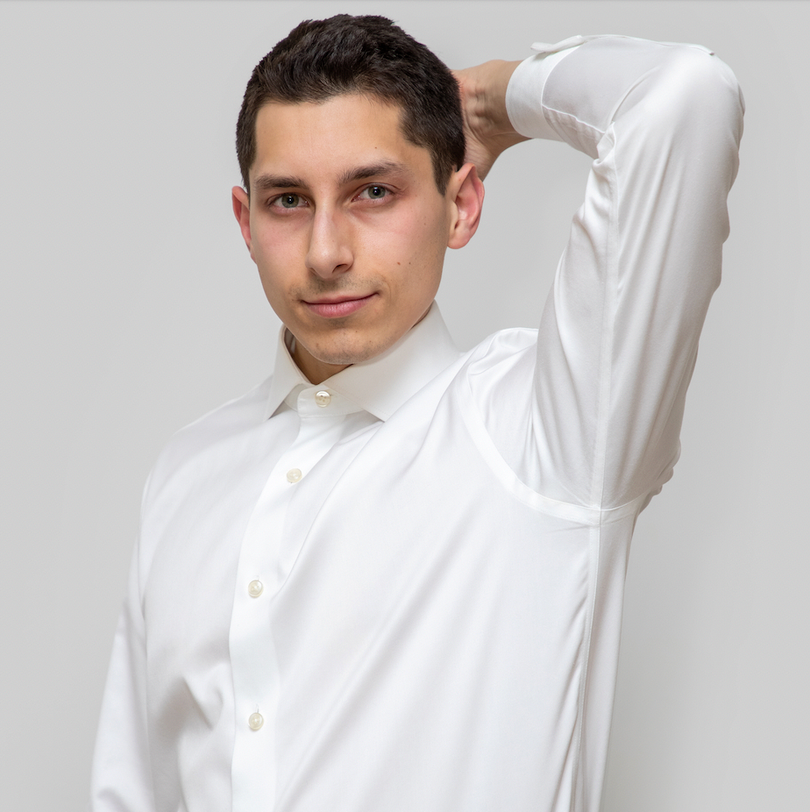

A performance dress shirt is a professional button-down made with technical fabrics designed to manage sweat, resist wrinkles, and move with your body. Unlike a traditional cotton dress shirt, performance shirts use synthetic or blended materials, including polyester, nylon, elastane, and lyocell, engineered to keep you comfortable over a long day.
The category has grown a lot since brands like Mizzen+Main and Ministry of Supply brought the concept into the mainstream in the 2010s. It is now a multi-billion-dollar market, and it keeps expanding as more people look for shirts that hold up better than traditional cotton.
At Social Citizen, we've helped tens of thousands of customers across 33+ countries manage visible sweat stains, and we take a different approach to dress shirts than most brands in this space. Our shirts are 100% cotton and work through an integrated sweat-blocking pad rather than moisture-wicking fabric. We'll cover both approaches below so you can see what each one actually does and which one makes sense for you.
What Makes a Dress Shirt a "Performance" Shirt
The defining feature of a performance dress shirt is the fabric. Traditional dress shirts are almost always 100% cotton. Performance shirts replace that with synthetic or blended materials, each engineered for a specific job:
-
Moisture-wicking: Pulls sweat away from your skin toward the outer surface of the fabric, where it can evaporate
-
4-way stretch: Elastane or spandex content (usually 2 to 5% of the blend) lets the shirt move with your body without feeling tight
-
Wrinkle resistance: Chemical finishes or synthetic weaves resist creasing, keeping the shirt presentable through a full day
-
Antimicrobial treatments: Finishes using zinc, silver, or similar materials reduce bacteria growth and odor
Common blends include polyester-spandex, nylon-elastane, and cotton-polyester with added stretch. Some premium options use Tencel, modal, or merino wool for a softer feel alongside the functional benefits. Gear Patrol describes the category as bringing high-tech fabric performance to a professional dress shirt silhouette: technical function with a traditional look.
How Moisture-Wicking Actually Works
Moisture-wicking sounds complicated, but the basic idea is simple. Wicking fabrics pull sweat off your skin and spread it across the outer surface of the shirt so it can dry faster. Synthetic fibers like polyester do this well because they naturally repel water and push it outward, which the American Chemical Society notes is a built-in property of the fiber.
Cotton does the opposite. It soaks moisture up and holds onto it, so instead of drying out it stays damp and clings to your skin. That difference is the whole reason performance fabrics exist.
Performance Dress Shirt vs. Traditional Dress Shirt
Here's how the two categories compare across the things that matter most to professionals:
| Feature | Traditional Dress Shirt | Performance Dress Shirt |
|---|---|---|
| Fabric | 100% cotton (or fine cotton blends) | Synthetic or blended (polyester, nylon, elastane, Tencel) |
| Moisture control | Absorbs and holds sweat | Wicks sweat to the surface to evaporate |
| Stretch | Minimal; slim cuts can feel restrictive | 4-way stretch; fitted without tightness |
| Wrinkle resistance | Requires ironing or pressing | Machine-washable; stays relatively smooth |
| Feel | Soft, natural texture | Slightly smooth or slick from synthetic content |
| Best for | Traditional office settings, formal occasions | Long workdays, travel, hybrid schedules, warm climates |
Where Moisture-Wicking Falls Short
Moisture-wicking is genuinely useful for light to moderate sweating. The limitation shows up when someone sweats heavily.
Wicking moves sweat to the surface of the fabric to evaporate. But if you're sweating faster than the fabric can evaporate, sweat still reaches the outside of the shirt. That's where visible stains form, no matter how advanced the fabric is.
This matters most for people with hyperhidrosis, a condition where the body sweats far more than it needs to for temperature regulation. It affects an estimated 4.8% of the U.S. population and can have a real effect on quality of life, including how comfortable and confident you feel in professional settings. For this group, and for anyone who sweats heavily under stress, performance fabrics reduce discomfort but don't reliably stop stains from showing.

A Different Kind of Sweat-Proof Dress Shirt
At Social Citizen, we built our sweat-proof dress shirts around a different principle. Instead of trying to move sweat away fast enough to prevent stains, we stop sweat from reaching the shirt's exterior at all.
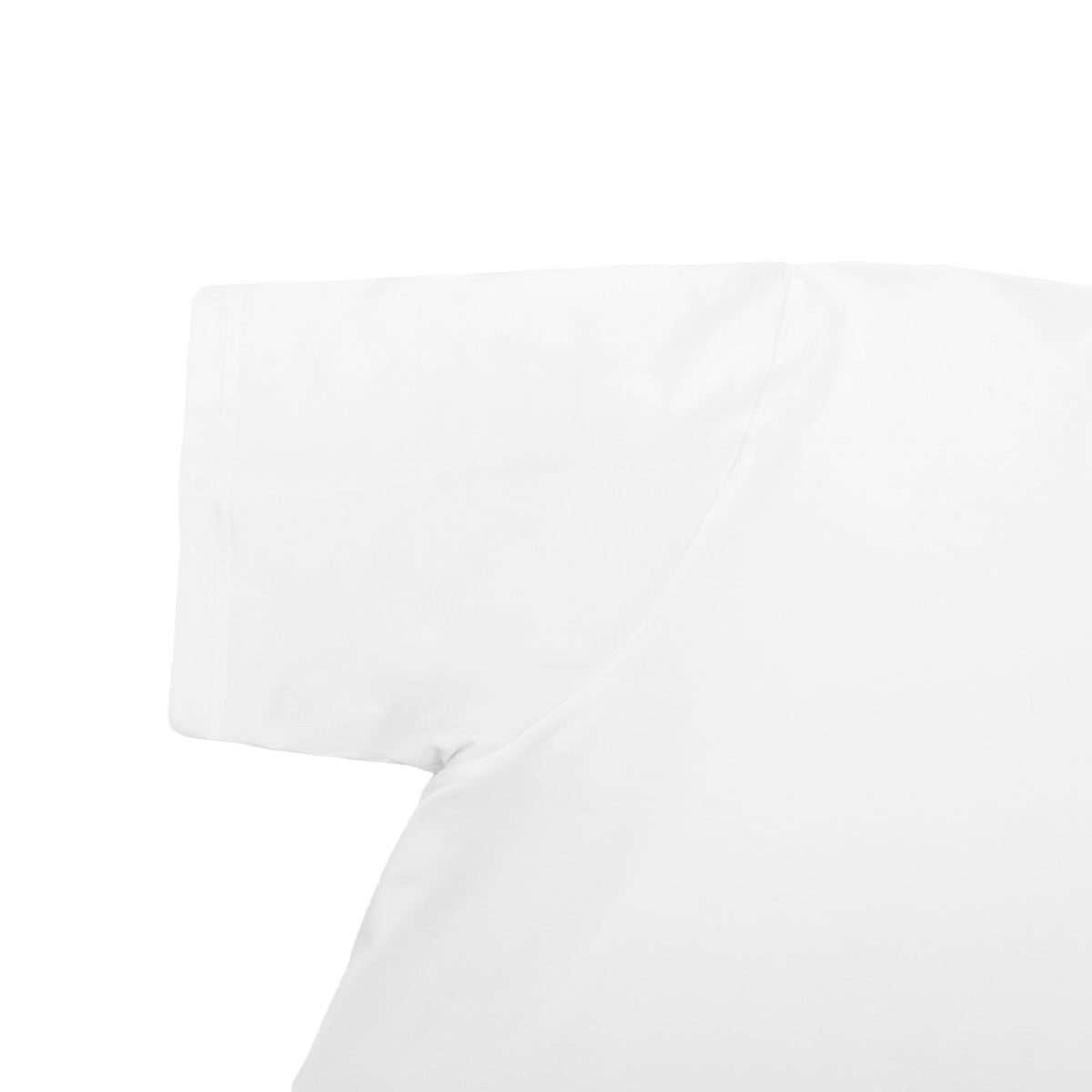
Our dress shirts are 100% cotton, so they look and feel like a standard professional shirt. The sweat-proof function comes from a hidden 3-layer underarm pad sewn inside each shirt:
-
Layer 1: A mesh cotton layer that wicks sweat away from the skin
-
Layer 2: A proprietary absorbent material that expands to capture moisture before it can travel outward
-
Layer 3: An ultra-thin waterproof layer that blocks any remaining moisture from reaching the shirt's exterior
The pad is sewn on the inside of the shirt rather than stitched flat against the fabric. This means there are no visible seams on the outside. From the exterior, the shirt looks identical to any other dress shirt.
Our shirts are guaranteed to stop 100% of underarm sweat stains from showing in social and professional settings. Not reduce them. Stop them entirely.
Looking to stop 100% of underarm sweat stains from showing? Browse Social Citizen Sweat Proof Dress Shirts, made from 100% cotton with a hidden 3-layer pad that's guaranteed to keep you dry in any social setting.
Which Type Is Right for You?
The right choice depends on what problem you're actually trying to solve.
A performance dress shirt is a reasonable fit if:
-
You sweat lightly to moderately and want to stay more comfortable
-
Wrinkle resistance and easy care matter more to you than sweat stain prevention
-
You travel often and want to minimize ironing
-
You prefer the feel and stretch of synthetic fabrics
A sweat-proof dress shirt is the better option if:
-
You get visible underarm sweat stains in professional or social settings
-
You have hyperhidrosis or sweat heavily under pressure
-
You want a guarantee that stains won't show, not just reduced dampness
-
You want the shirt to look and feel like a standard cotton dress shirt, with no visible technology on the outside
For a deeper look at how different materials perform for people who sweat heavily, we've put together a full breakdown of the best fabrics for excessive sweating.
Frequently Asked Questions
Are Performance Dress Shirts Good for Sweating?
Performance dress shirts wick sweat away from the skin and move it toward the surface of the fabric to evaporate. This reduces dampness and improves comfort for light to moderate sweating. For heavy sweating, wicking may not be fast enough to prevent visible stains from forming.
What Is the Best Dress Shirt for Heavy Sweating?
For heavy sweating, a shirt with an integrated sweat-blocking pad offers more reliable protection than wicking fabric alone. Social Citizen's sweat-proof dress shirts use a hidden 3-layer underarm pad that physically stops sweat from reaching the shirt's exterior, which is the only approach that can guarantee stains won't show.
Do Performance Dress Shirts Look Different from Regular Shirts?
Some performance shirts have a slight sheen or slick texture from synthetic fibers. High-quality options are designed to look professional, but the feel is noticeably different from cotton. Social Citizen's approach uses 100% cotton, so the shirt looks and feels like a standard dress shirt, inside and out.
How Do You Care for a Performance Dress Shirt?
Most performance dress shirts are machine-washable and quick-drying, which makes them practical for travel. Cotton-based sweat-proof shirts like Social Citizen's are also machine-washable. The pads need a bit of extra drying time since the absorbent layer holds moisture by design.
What Fabrics Are Used in Performance Dress Shirts?
Common fabrics include polyester, nylon, elastane/spandex, Tencel (lyocell), modal, and cotton-polyester blends. Stretch content is usually 2 to 5%. Some premium options use merino wool or bamboo for softness and natural odor resistance.
Ready to Stop Worrying About Sweat Stains?
If you're dealing with visible sweat stains in professional settings, take a look at our Sweat Proof Dress Shirts, available in white and baby blue, and guaranteed to stop 100% of underarm sweat stains from showing.
No more sweat stains.