
If you wear an undershirt, chances are you are not just after an extra layer. You want to look put together, and you do not want a stain showing under your arms halfway through the day. We know that feeling. Social Citizen sweat proof undershirts are made by people who sweat a lot, for people who sweat a lot, so this guide is written with that in mind.
There are five main undershirt types: crew neck, V-neck, sleeveless tank, long sleeve, and fitted synthetic. Each one has a different neckline, weight, and job. Pick the wrong one and it either shows under your shirt, adds bulk, or does not do what you needed it to do. Below is how to pick the right one, plus what to look for if sweat is your real concern.
The 5 Main Types of Men's Undershirts
The right type depends on what you are wearing over it and what you need it to do. Here is how the five styles compare:
| Type | Neckline | Best for | Main limitation |
|---|---|---|---|
| Crew neck | Round, high | Fully buttoned shirts and ties | Shows when top buttons are open |
| V-neck | V-shaped front | Open-collar and business casual looks | Less coverage if the neckline is cut very deep |
| Sleeveless tank (A-shirt) | Wide armholes, no sleeves | A light base layer for warmth | No underarm coverage, so sweat can show |
| Long sleeve | Full-length sleeves | Cold-weather layering | Adds bulk; sleeves can peek out under cuffs |
| Fitted synthetic | Form-fitting | A snug, low-bulk base layer | Thin fabric can show through outer shirts |
Crew Neck
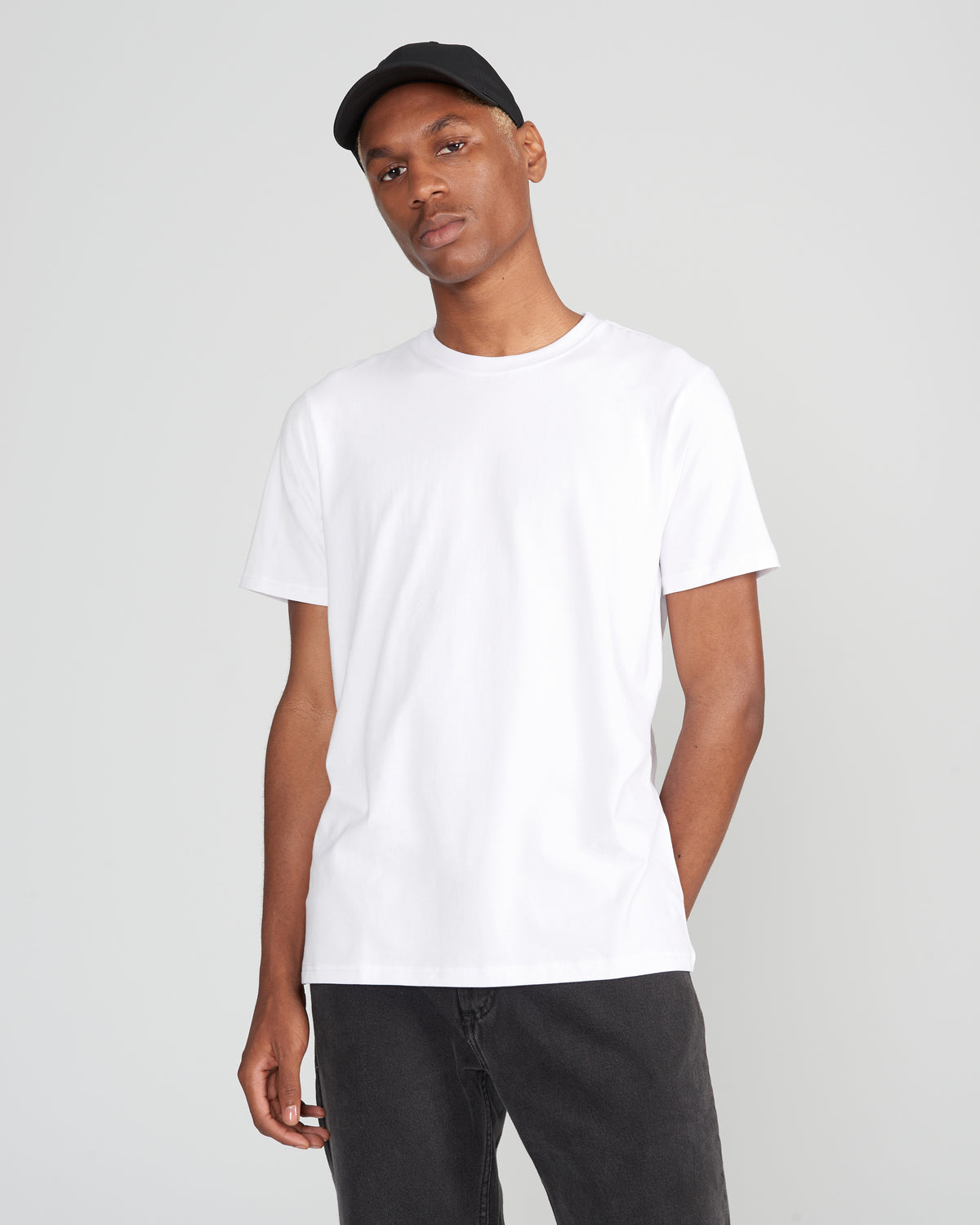
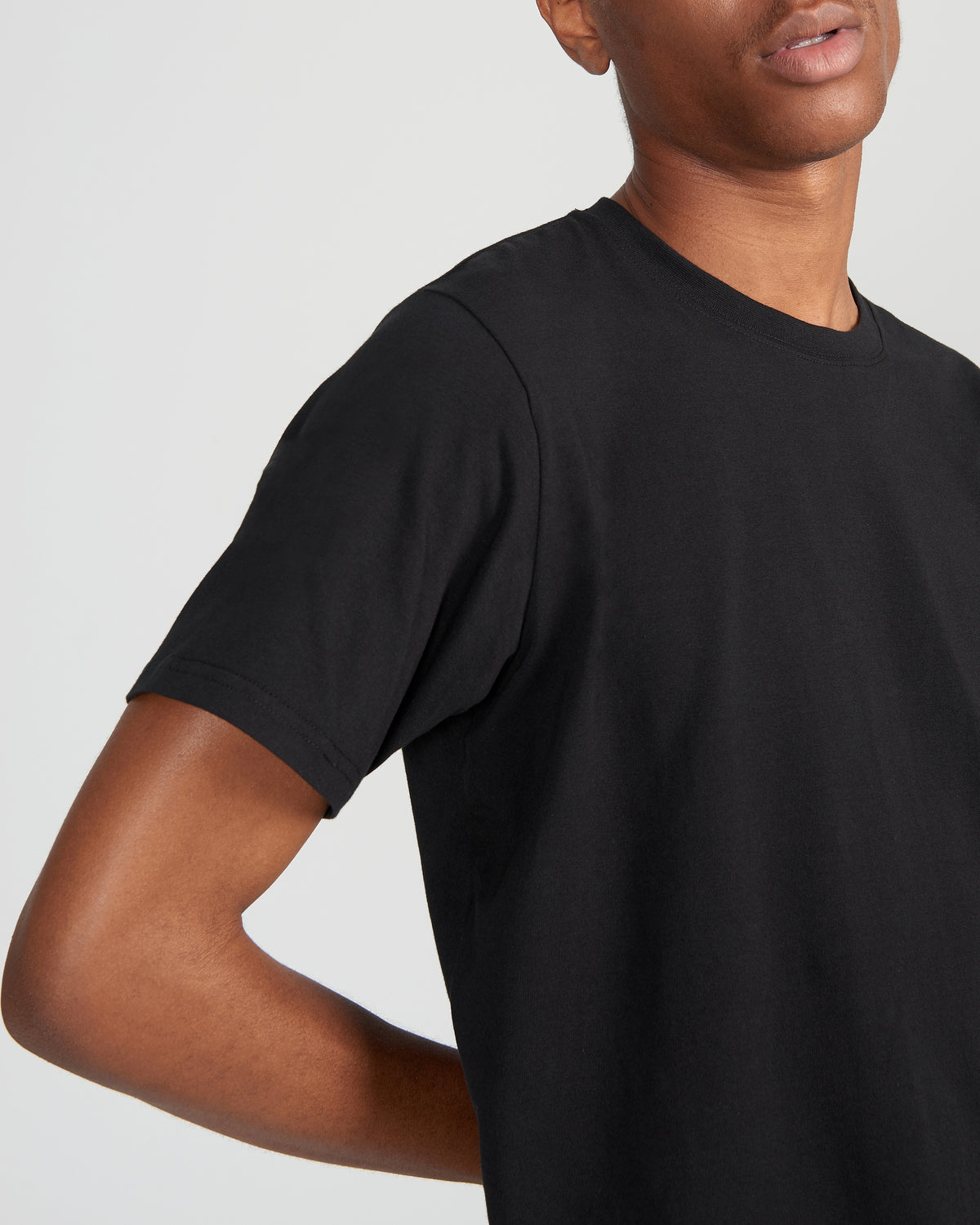
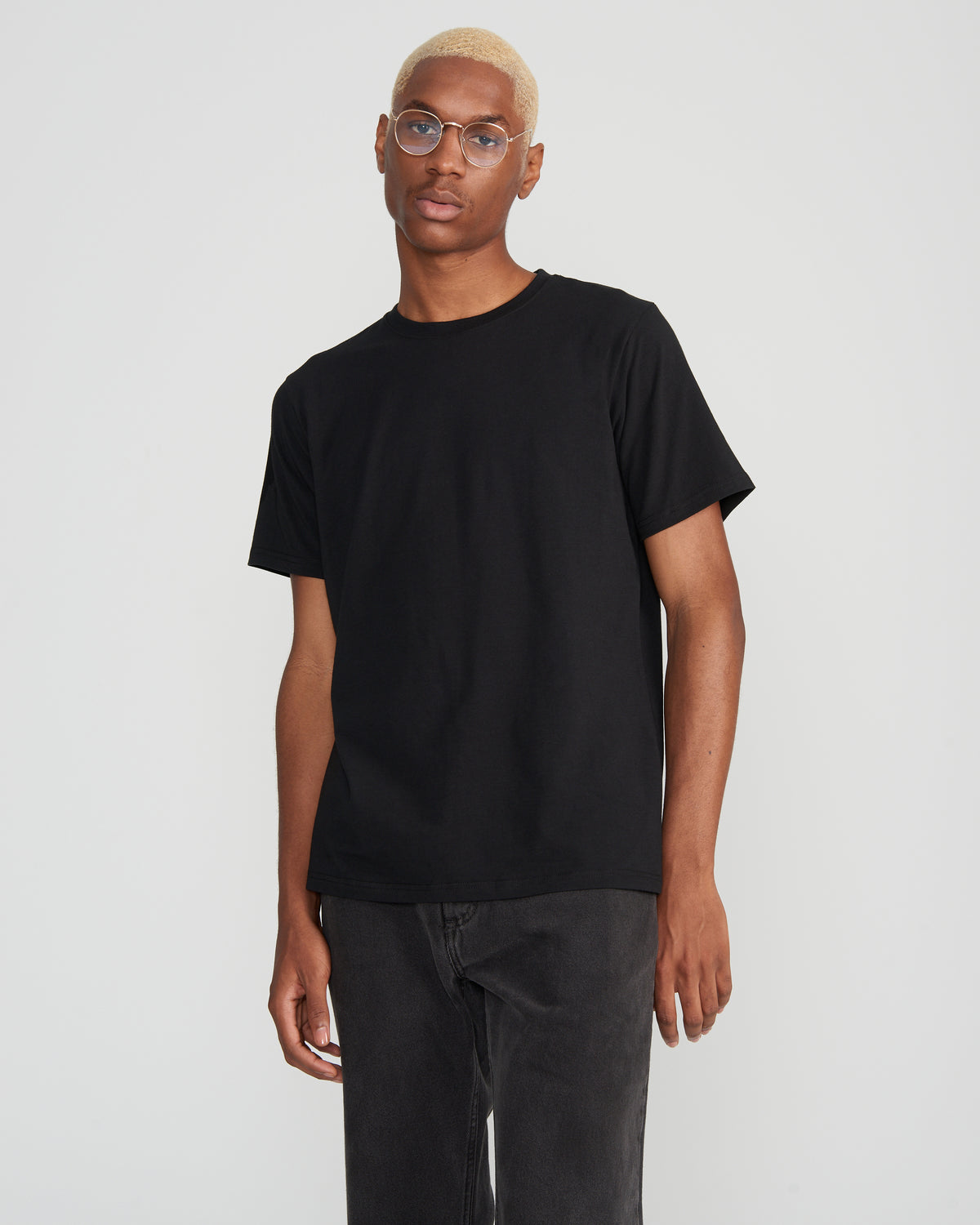
The crew neck is the most common undershirt. It covers your chest and underarms fully, so it soaks up sweat well. The catch is the neckline. Leave a button or two open and the collar shows. Crew necks work best under a fully buttoned shirt or with a tie.
V-Neck
A V-neck sits lower in front, so it stays hidden when your top buttons are undone. You get the same underarm coverage as a crew neck without the collar peeking out. For business casual, where the top button usually stays open, a V-neck is the better pick.
Sleeveless Tank (A-Shirt)
The tank is the lightest option and adds almost no bulk. It works as a light layer for warmth. The big downside: with no fabric over the armhole, sweat can show straight through your shirt. If underarm sweat stains are the problem, a tank will not help you.
Long Sleeve Undershirt
A long sleeve undershirt adds warmth to your arms and torso. It is handy for a cold office or under a sweater. Under a fitted dress shirt, though, the extra fabric can bunch at the arms or show lines at the sleeves.
Fitted Synthetic Undershirt
Fitted synthetic shirts are made to pull moisture off the skin quickly. Under office or smart-casual clothing they can work if they are plain and a neutral color. Just know that thin synthetic fabric can show through a lighter outer shirt.
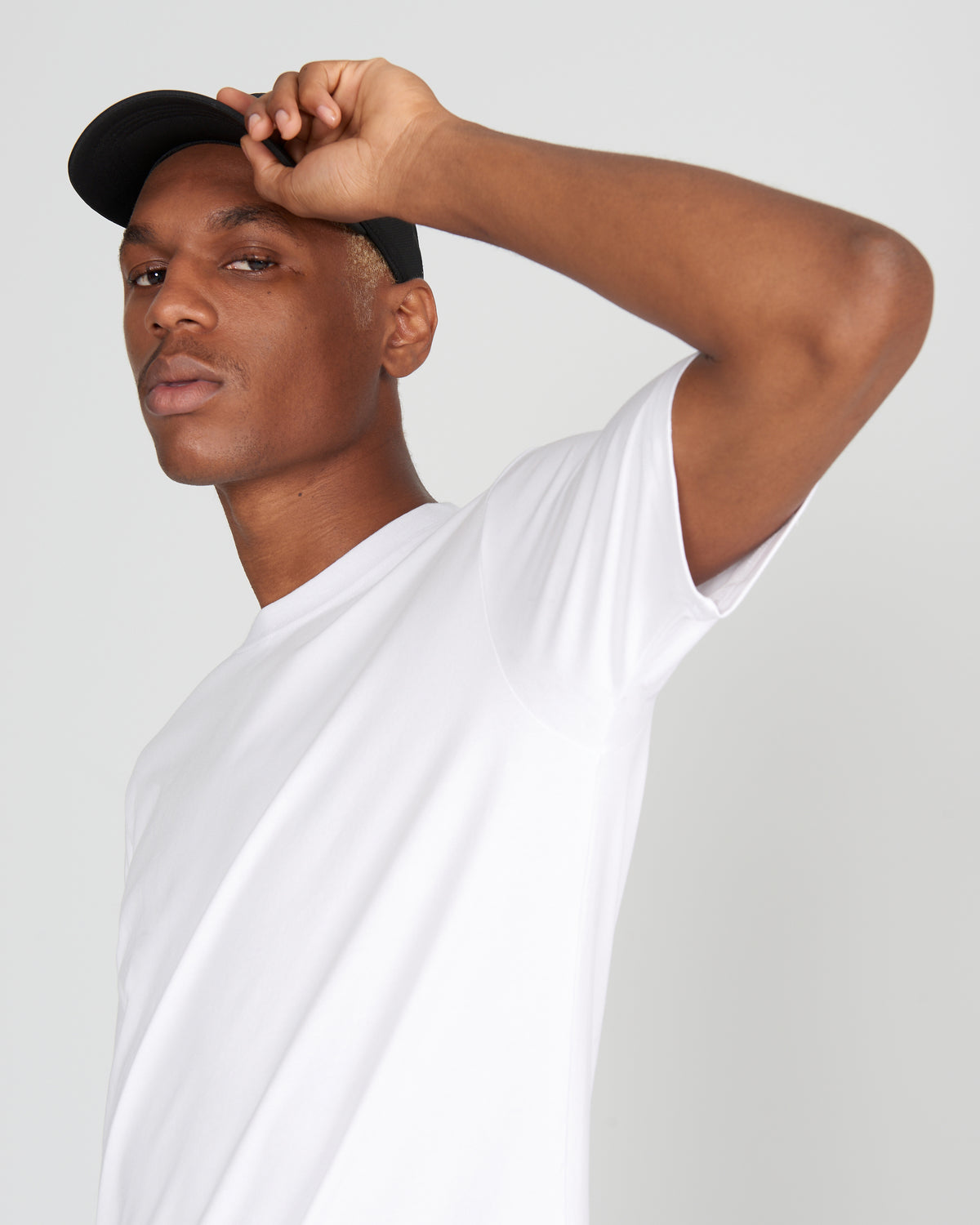
Want to stop 100% of underarm sweat stains from showing? Browse Social Citizen sweat-proof shirts, built with a hidden 3-layer underarm pad that keeps you dry in any social setting.
What Are the Benefits of Wearing an Undershirt?
If you barely sweat and the weather is mild, an undershirt is optional. But if you deal with sweat, long days, or nice shirts you want to protect, the benefits are real:
-
Sweat and odor protection. An undershirt soaks up sweat before it reaches your outer shirt, which cuts down on odor over time.
-
Protects your good shirts. Shirts worn straight against the skin pick up sweat, body oils, and deodorant. An undershirt slows that down and helps your better shirts last longer.
-
Comfort. A good undershirt cuts down on friction between your skin and stiffer shirt fabric, which helps on warm days.
-
Appearance. A fitted undershirt smooths your torso, keeps light shirts from turning see-through, and hides chest hair.
-
Warmth. As a thin extra layer, it adds a little warmth without the bulk of a heavier top.
How Should an Undershirt Fit?
Fit is where most undershirts fall short. A bad fit bunches up, adds bulk, and defeats the whole point. The right fit is close to the body without being tight:
-
Snug sleeves, not loose. Sleeves that hug the underarm keep the fabric in contact with your skin, so it catches more sweat.
-
A flat torso. Extra fabric will bunch and show under your shirt.
-
A hem long enough to stay tucked. If it is too short, the undershirt rides up all day.
One tip: if the shirt is going under another layer rather than worn on its own, size down for a closer fit.

Choosing the Right Fabric
Fabric changes how an undershirt feels, lasts, and handles sweat. Here is a quick look:
| Fabric | Strengths | Weaknesses |
|---|---|---|
| 100% cotton | Soft, breathable, easy to find | Holds moisture against the skin once it soaks through |
| Combed cotton | Softer and smoother than regular cotton | Handles moisture about the same as regular cotton |
| Cotton and spandex blend | Stretchy, soft, holds its shape | A little less breathable than pure cotton |
| Modal | Very soft, hangs nicely | Less durable and costs more |
| Merino wool | Regulates temperature, resists odor | Costs more and needs careful washing |
| Synthetic | Dries fast, pulls moisture off the skin | Can hold onto odor, less natural feel |
For everyday wear under dress shirts, combed cotton or a cotton and spandex blend gives you the best mix of comfort, durability, and a flat look. Our crewneck and V-neck shirts use 95% combed cotton with 5% spandex for that reason. Merino wool is worth a look for travel or cold commutes, since it can be worn a few days without picking up odor.
What Color Undershirt Should You Wear?
The goal is simple: stay invisible under your shirt. The best color depends on the shirt you are wearing and your skin tone.
-
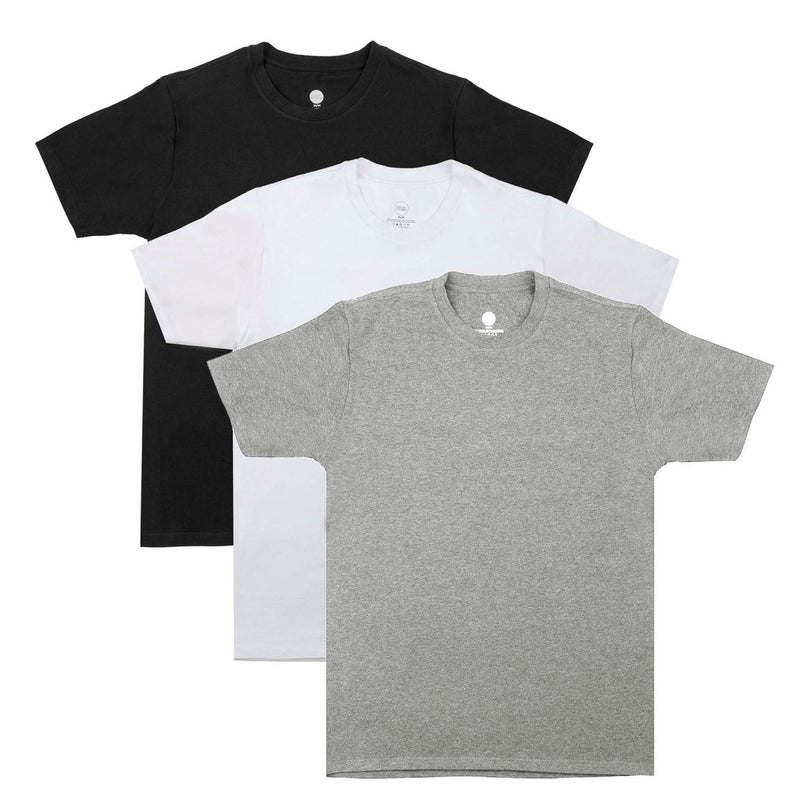
Under white or light shirts: Skip bright white, which shows through most fabrics. Heather grey, beige, or a skin-tone shade blends in far better.
-
Under dark shirts: Dark grey, navy, or black work well and will not create contrast if the neckline shifts.
-
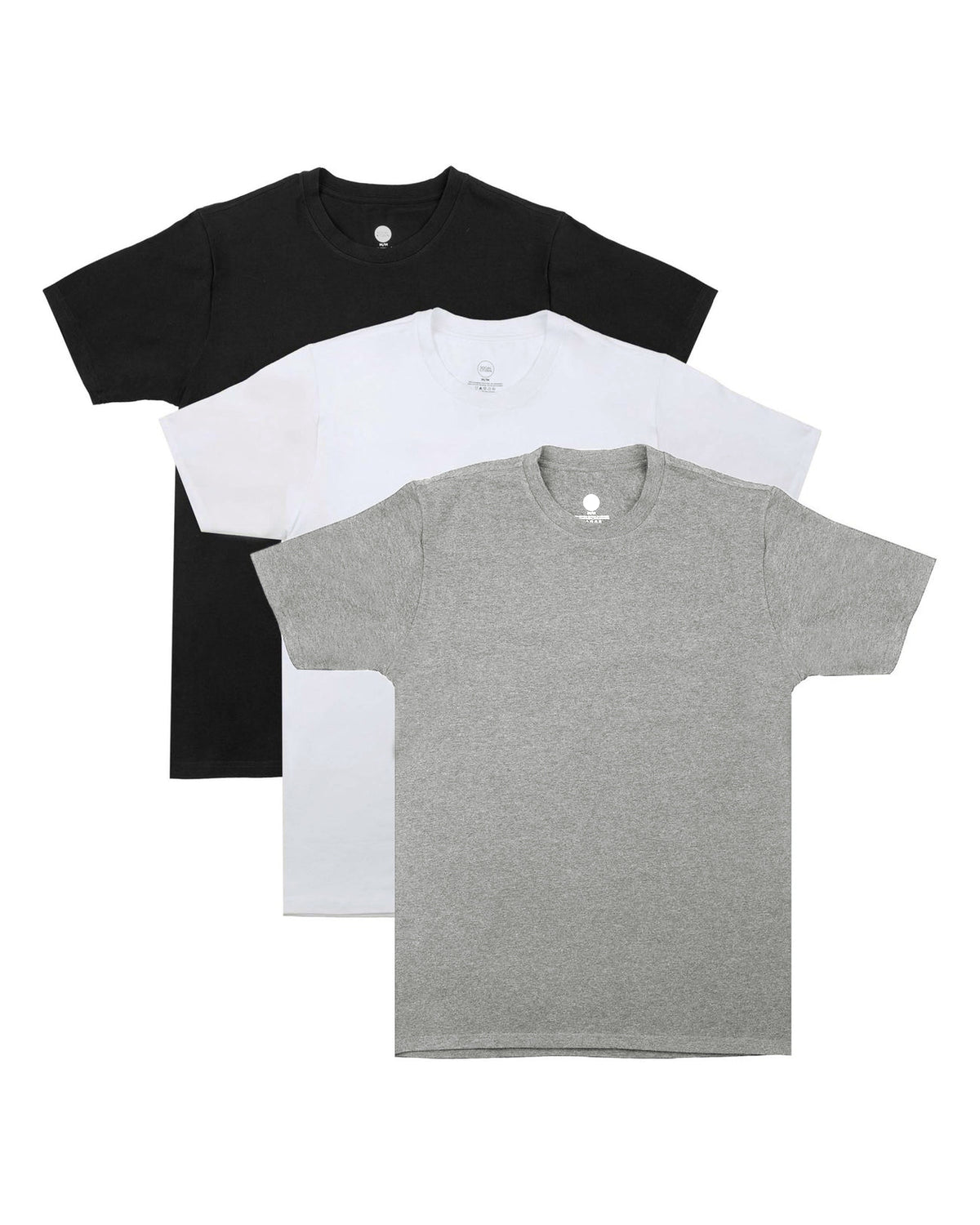
Worn on its own: Color is just personal taste. White, grey, black, and navy are all easy picks.
A common mistake is thinking white is always safest. A white undershirt under a pale blue or light grey shirt will show clearly, especially as the fabric stretches over time.
When to Wear Each Undershirt Type
The best type for the moment comes down to how formal your outfit is and whether your collar stays open or closed.
Under Dress Shirts
A crew neck or V-neck works best here, depending on how you wear the shirt. Under a tie or a buttoned collar, a crew neck stays hidden. For business casual with the top button open, go with a V-neck. Wearing an undershirt under a dress shirt is usually worth it. It keeps the shirt cleaner between washes, stops lighter fabrics from going see-through, and lowers the chance of a visible sweat stain during a long day.
Under Casual Shirts and Polos
Under a casual shirt, an undershirt is optional. If the outer shirt is thick or the day is warm, skipping it is fine. If you do wear one under a polo, make sure the neckline sits well below the collar so it does not show.
When to Skip It
On a genuinely hot day when you are already in one light layer, adding an undershirt can just make you warmer. In that case, it works against you.
What If Sweat Stains Are Your Main Concern?
A regular cotton undershirt soaks up sweat, but once it is soaked through, the moisture keeps going into your outer shirt. If you barely sweat, that might be enough. If you sweat a lot, or a visible stain would be embarrassing, it usually is not.
Most men in this spot are either naturally heavy sweaters or have hyperhidrosis, which the International Hyperhidrosis Society estimates affects nearly 5% of people worldwide. It means your body sweats far more than it needs to. Either way, a regular undershirt only takes the edge off. It does not contain the sweat.
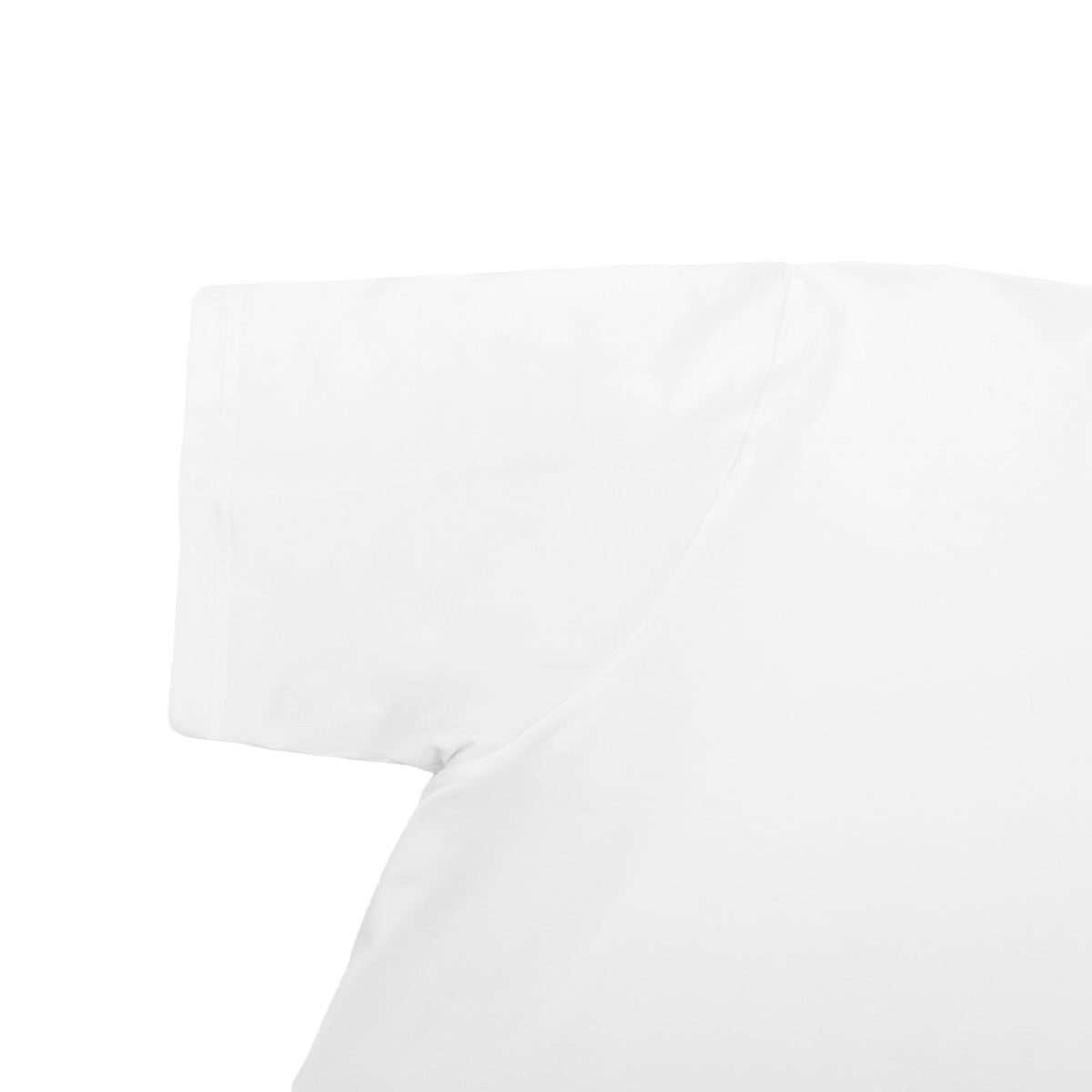
A sweat-proof shirt works differently. Instead of soaking up sweat and hoping your outer shirt stays dry, it uses a hidden pad to trap the moisture before it ever reaches the outside. Our shirts use a hidden 3-layer underarm pad:
-
Layer 1 (against the skin): Mesh cotton that pulls moisture away from your skin.
-
Layer 2 (middle): An absorbent layer that expands to hold the moisture.
-
Layer 3 (outermost): A thin waterproof barrier that stops anything from passing through to the outside.
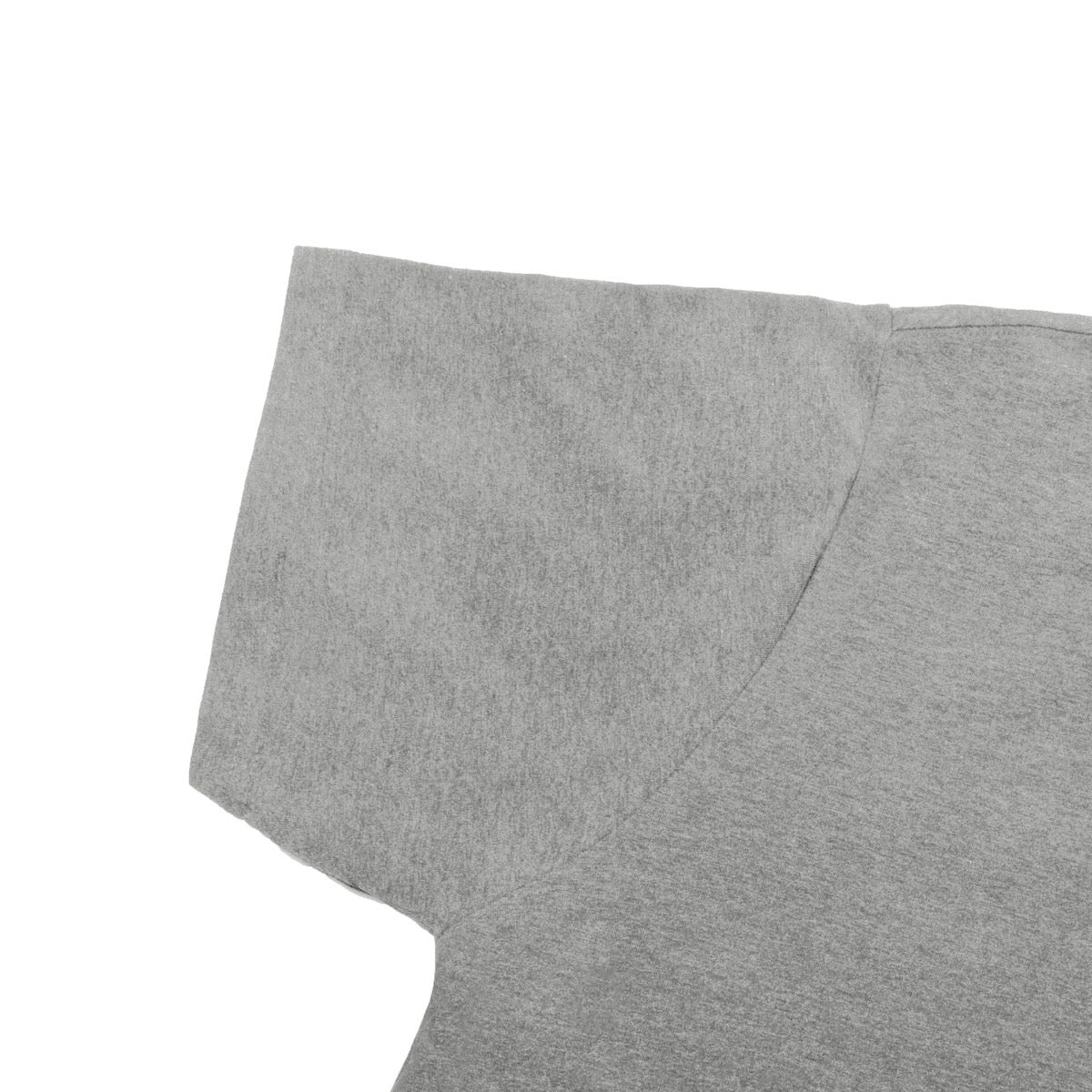
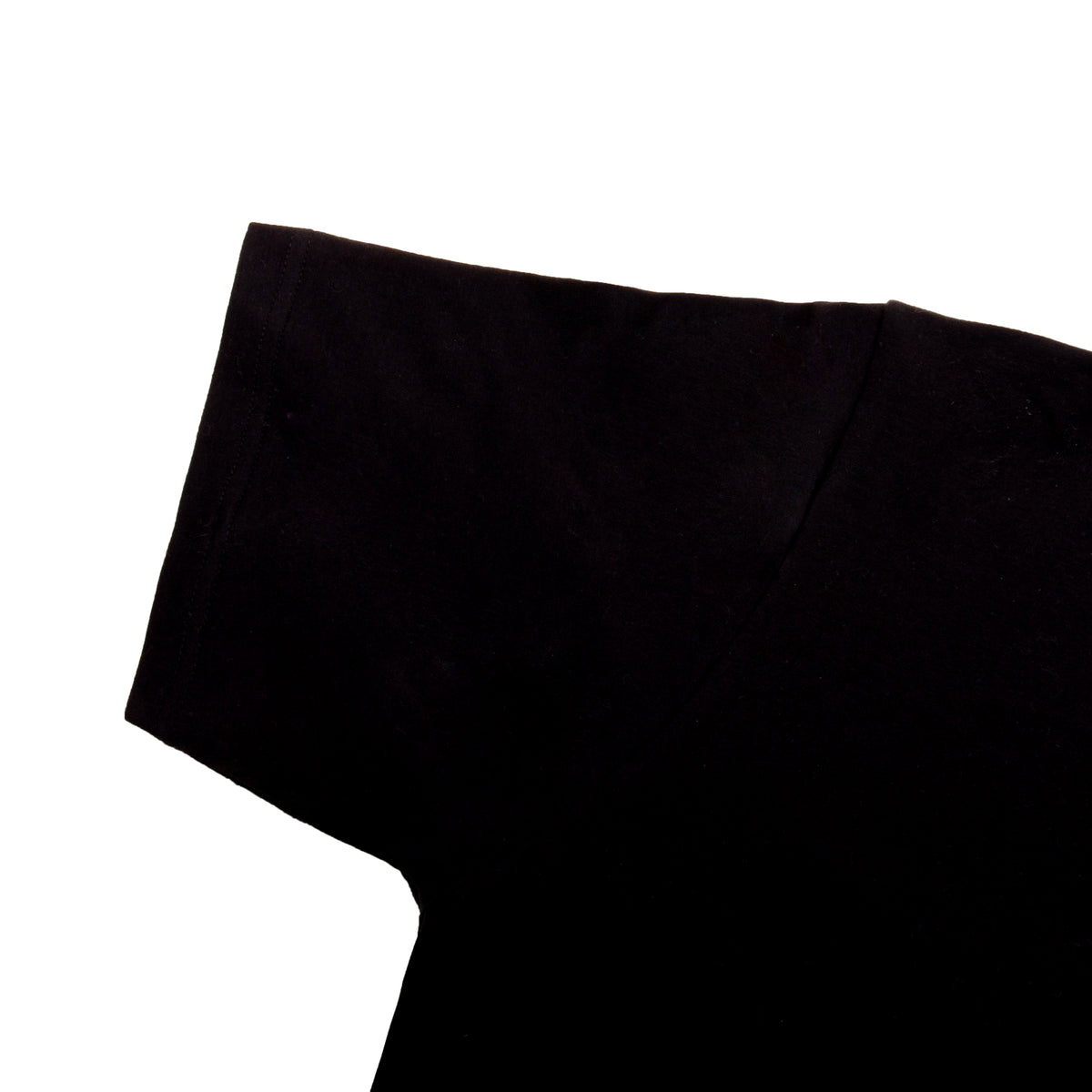
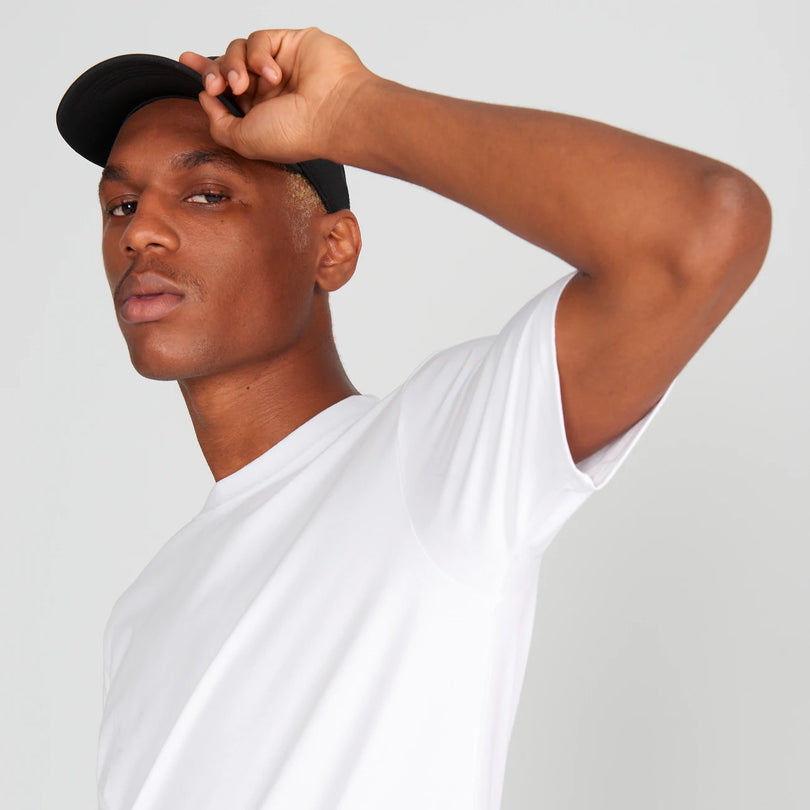
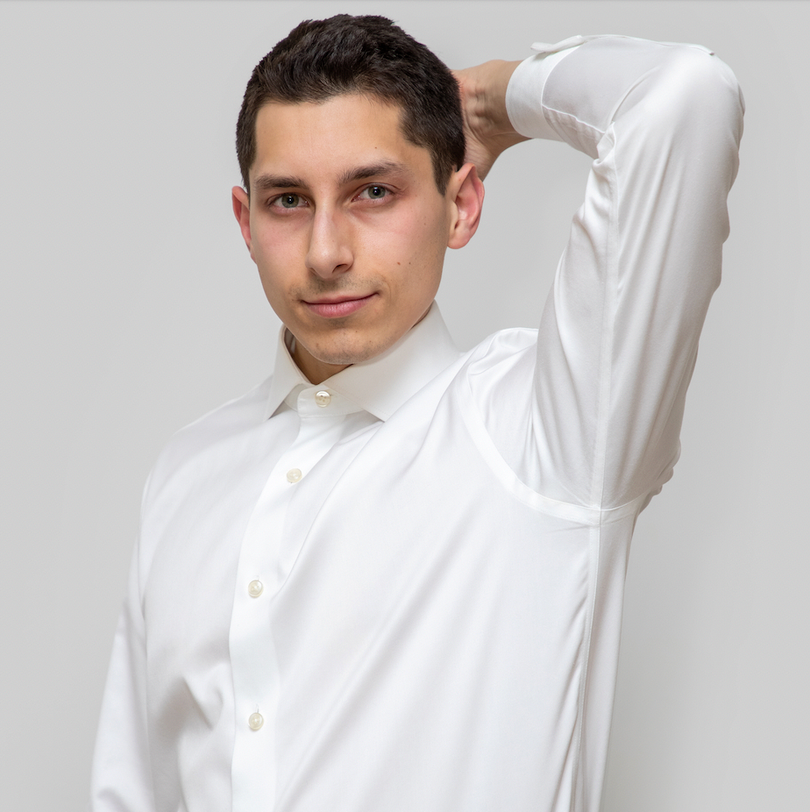
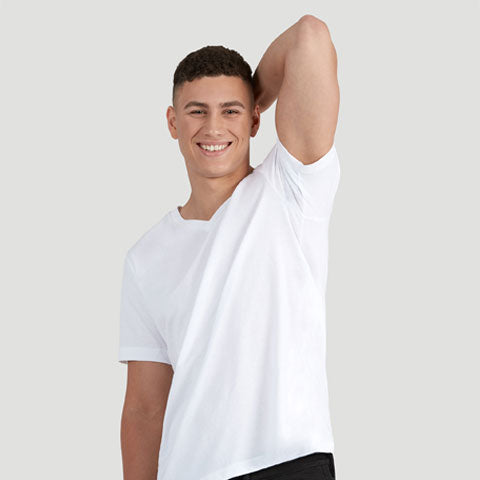
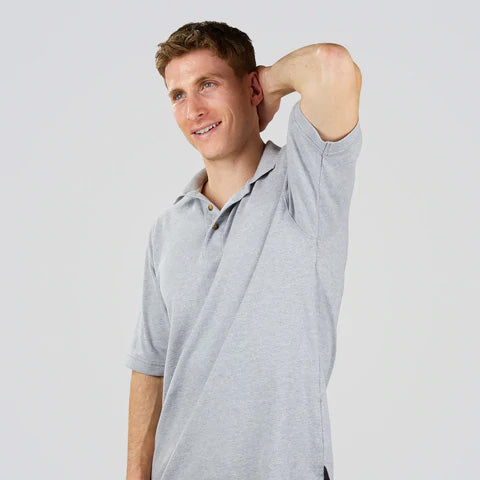
The pad is sewn on the inside of the shirt rather than stitched flat against the fabric, so there are no visible seams on the outside. From the outside, it looks like a regular shirt. No one will know unless you tell them.
Our crewneck and V-neck styles both work great as undershirts under dress shirts, blazers, or any outer layer. They run 1.5 to 2 inches longer than a standard tee, which makes them easier to keep tucked in all day. For a full comparison of the top options out there, see our guide to the best sweat-proof undershirts for men.
Quick Reference: Choosing the Right Undershirt
| Situation | Recommended type | Notes |
|---|---|---|
| Fully buttoned dress shirt | Crew neck | Stays hidden under a buttoned collar |
| Open collar or business casual | V-neck | Stays out of sight with the top buttons open |
| Polo shirt | Deep V-neck | Keep the neckline below the polo collar |
| Cold-weather layering | Long sleeve or merino | Merino is the premium pick for odor resistance |
| Light sweating, everyday wear | Combed cotton or blend | Good durability and lies flat under shirts |
| Heavy sweating, social or work settings | Sweat-proof shirt | Contains sweat with a pad, not just soaks it up |
Stop Sweat Stains for Good
If you deal with underarm sweat stains and want a shirt that works on its own and as an undershirt, without any sweat showing on the outside, to learn more, take a look at our sweat-proof shirts for men. Every shirt is guaranteed to stop 100% of underarm sweat stains from showing. Use code NOSWEAT26 at checkout for a discount on your first order.
No more sweat stains!